“Eat Bitter”, a new Hakka zine

Hakka history, stories, and recipes
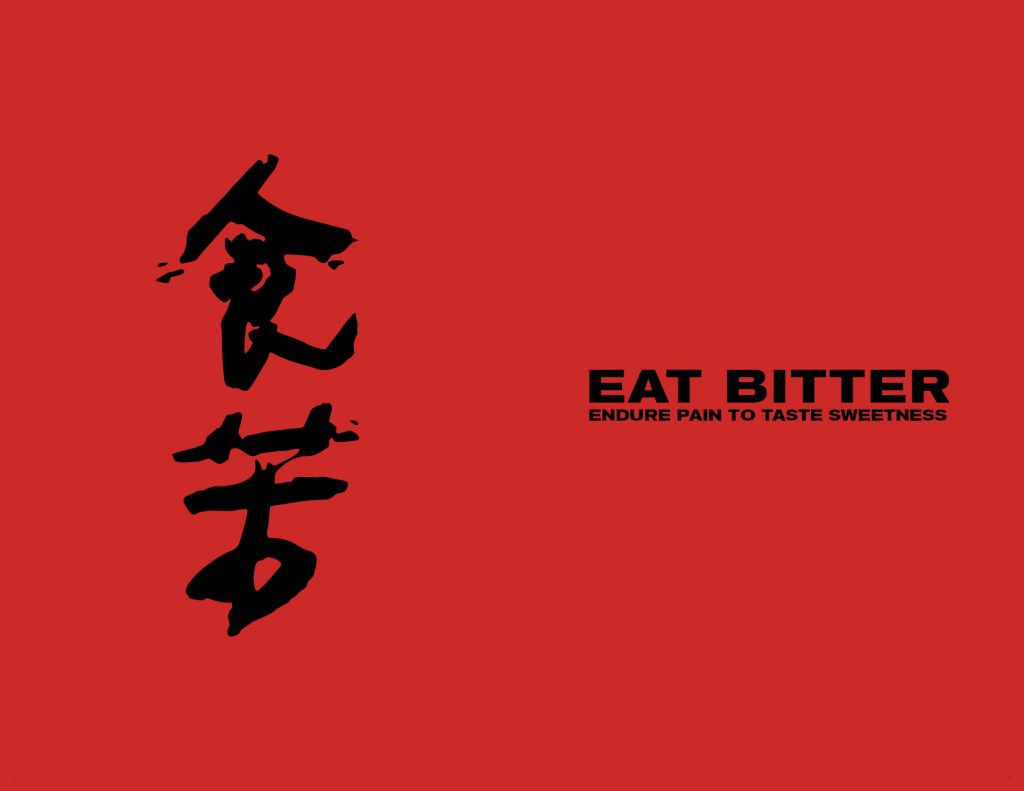
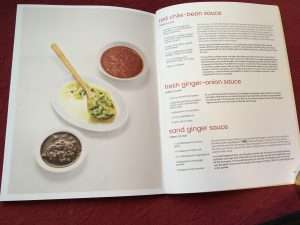
Page from “Eat Bitter” Credits: DESIGN- ROO WILLIAMS, PHOTOGRAPHY – LYDIA PANG, WORDS – LYDIA PANG

Recently I got a flurry of alerts from my blog to let me know The Hakka Cookbook had been mentioned in several posts online. Checking them I read a story introducing a new zine called “Eat Bitter” about a Hakka family and their food.

I was thrilled to learn that Lydia Pang, the creator of the new publication was a young Hakka woman. Pang, whose father is Hakka, grew up in Wales, a country without much cultural diversity. She had worked in more ethnically diverse London and New York and began to feel she didn’t know enough about her Chinese heritage. It was time to learn more. She decided to write about her family’s favorite foods and stories shared at the dinner table. The result, “Eat Bitter,” allowed her to explore her identity and preserve the culture and recipes of her Hakka family.
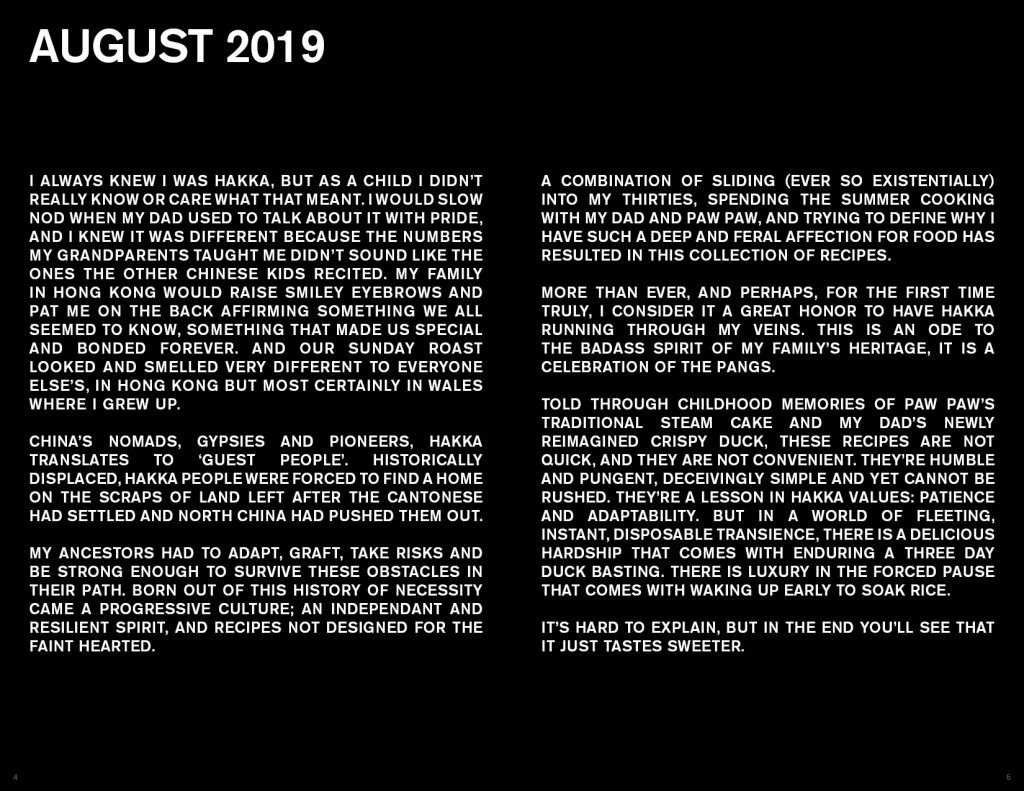
Page from “Eat Bitter” Credits: DESIGN- ROO WILLIAMS, PHOTOGRAPHY – LYDIA PANG, WORDS – LYDIA PANG

The title of her publication, “Eat Bitter,” reflects the Hakka history. The Hakka have long endured multiple migrations, hardship, and persecution. Called “guest people” because they often arrived to settled lands last, the Hakka got the meager leftovers. Through their hard work, they survived and flourished. Working through obstacles, whether in life or in the kitchen, makes the reward taste so much sweeter.
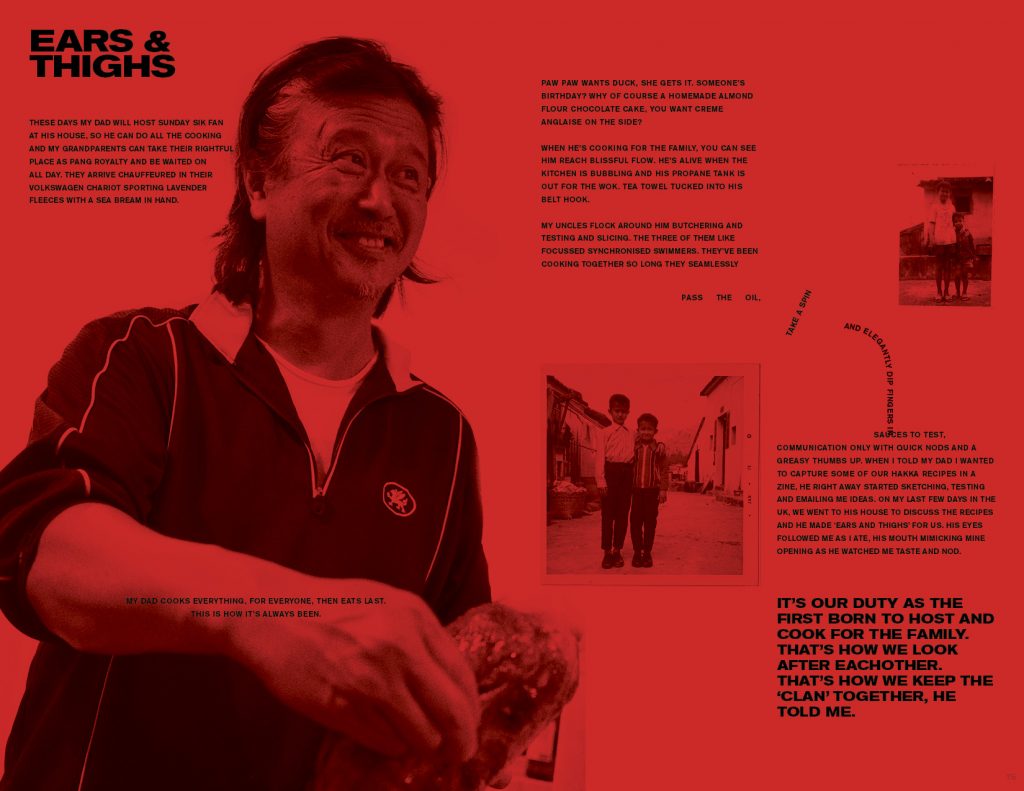
Page about Pang’s father’s Sunday sik fan from “Eat Bitter” Credits: DESIGN- ROO WILLIAMS, PHOTOGRAPHY – LYDIA PANG, WORDS – LYDIA PANG

The zine’s bold design and creative layout vibrate on the red and black saturated pages (sample pages shown above). With help from her family, Pang records recipes such as Ears &Thighs (steamed chicken thighs and wood ear mushrooms), Fatty Pork (simmered pork belly with garlic and black beans), and Paw Paw’s Sponge (steamed sponge cake.) Photos and sketches reveal the cooking process.

To pre-order her magazine visit eatbitter.co Pang will donate a portion of the sales to Welcome to Chinatown, a grassroots organization that provides resources to hard-hit businesses in Manhattan’s Chinatown.
Story behind The Hakka Cookbook

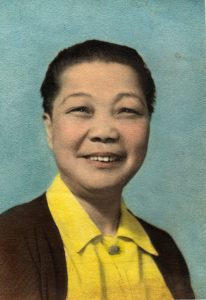
Popo, my inspiration for The Hakka Cookbook

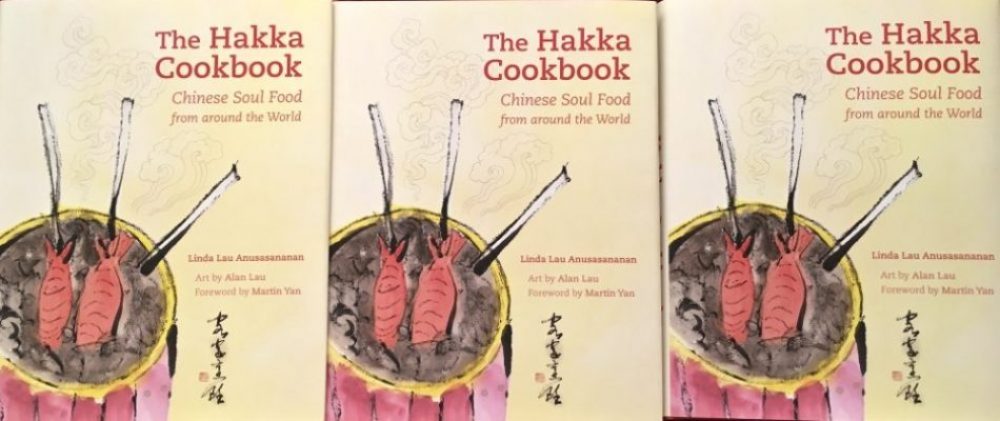
For the story behind The Hakka Cookbook, check out my guest post at ckbk.com , a online curated cookbook collection subscription site. My inspiration came from Popo, my grandmother, who nagged us about being better Chinese children. Popo would say, “You should be proud to be Hakka.” This quote fell on deaf ears. As the only Chinese children in Paradise, a small retirement town in northern California, my brother and I were much more interested in fitting in rather than learning how to be more unique. Decades later, Popo’s words haunted my memory and eventually inspired me to find my Hakka history and identity through food.

Salt-baked chicken in Dill Magazine

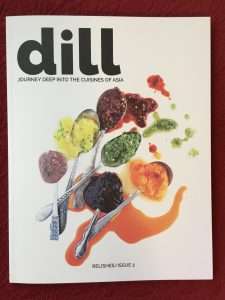
Last year I read an article about a new start-up magazine called Dill. The mission of this handsome publication was to journey deep into the cuisines of Asia in a detailed and nerdy way.

Surprisingly,19-year old Shayne Chammavanijakul, a college sophomore from Chicago started this quarterly with little publishing experience aside from working on the high school paper. The founder often spent summers in Thailand visiting family. A few years ago she devoted time learning from her Hakka Thai grandmother. As she cooked and talked with her, she realized that there were many untold stories about food, culture, and immigrant experiences.

Chammavanijakul, with the help of family, friends, and publishing professionals such as Editorial Coordinator Tippy Jeng designed this magazine for people who wanted to read in-depth stories on authentic Asian food and recipes that were not watered down for the masses.

With my Hakka roots, a career in publishing, and a Thai husband, I sensed we shared a connection and sent Chammavanijakul a copy of The Hakka Cookbook. As a result, in the recently published second issue of Dill, look for recipes from The Hakka Cookbook for Salt-Baked Chicken and three sauces: red chile-bean sauce (new recipe from Fah Liong), fresh ginger-onion sauce, and sand ginger sauce. The article runs from page 118 to 121.

With heavyweight paper, beautiful photos, and professional writing the magazine compares to a soft cover book and is priced accordingly. If you love Asian food, this is the magazine for you. To buy a copy of Dill, click here.

New Chinese cookbook

An exciting new kind of Chinese cookbook is at the press. About 6 months ago, The Cleaver Quarterly, a magazine devoted to Chinese food and its diversity, invited me to contribute a recipe to their new project, The Illustrated Wok. Forty chefs paired with forty artists would produce a picture cookbook, illustrated with hand drawn art. Each recipe would be brought to life with colorful unique illustrations.

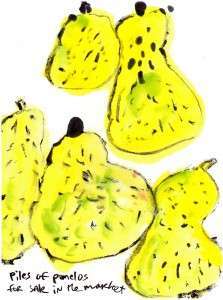
Alan Lau, my brother and artist for The Hakka Cookbook, created the art for my recipe. At left is a sample of Alan’s art that illustrated an article in The Cleaver Quarterly in 2015. He has created a new painting (a surprise) for this new cookbook.

After a short Kickstarter campaign the cookbook, The Illustrated Wok, will soon be a reality. Pre-orders available here. I can hardly wait.


A popular New York Times recipe

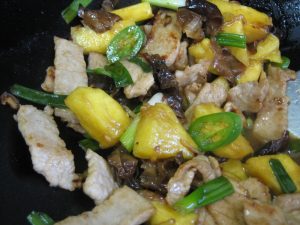
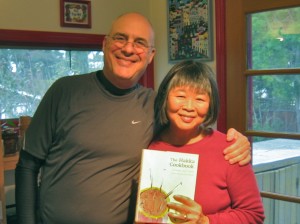
Last week in the April 1, 2017 edition of  The New York Times digital feature “Our Ten Most Popular Recipes Right Now” I was surprised to find Stir-fried Pork and Pineapple from The Hakka Cookbook (page 92). A friend had alerted me to the publication. The recipe had come from an article that Mark Bittman had written in 2013 after he had visited my kitchen to cook with me from The Hakka Cookbook. Here’s the original story.

I had eaten this easy dish in a Hakka tea house in Taiwan. Stir-fry pork strips with fresh pineapple chunks, bits of crunchy black fungus, and hot chile slices. The dish reminds me of a purer, leaner, fresher take on sweet and sour pork. Give it a try.

Learn the secret to moist chicken breasts

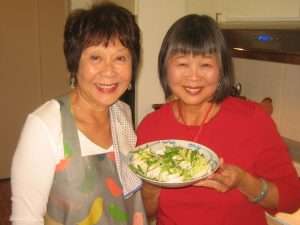
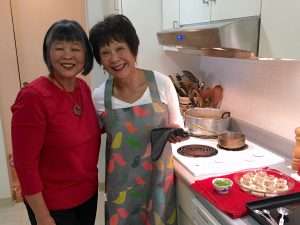
Last week my friend Lorraine Witte at The Chinese Lady posted a youtube video of the two of us cooking together. We cooked Steeped Chicken Breasts (page 22) with Fresh Ginger-Onion Sauce (page 66) from The Hakka Cookbook.

The recipe uses an easy Chinese steeping technique uses residue heat to gently cook chicken so the meat remains moist and juicy. Learn how to do it in this video. The zesty sauce of minced fresh ginger and green onion also uses a Chinese technique with boiling hot oil that preserves the fresh flavor of the ingredients but tames their harsh raw bite. Add these techniques to your go-to cooking secrets.

If you would like to see my other food videos check out the ones I have on grokker.com . I demonstrate how to cook Chinese dishes, some are Hakka. There is a free 14-day trial period if you register. Afterwards, use my personal discount code– lindaa9monthly –to get the reduced price of $9 a month. You are not limited to my recipes. There are almost 1700 food videos from 52 experts that teach baking to healthy cooking. Also if you are a yoga or fitness devotee, there’s over 80 teachers and1800 videos to choose from with a monthly price cheaper than a single yoga class.

Hakka pork-stuffed tofu

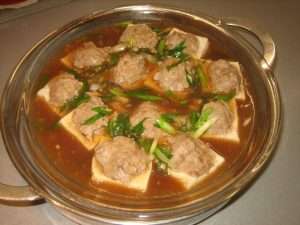
pork stuffed tofuLast weekend, Lorraine Witte, The Chinese Lady and author, invited me to her kitchen to cook some dishes from The Hakka Cookbook. We cooked a famous Hakka classic, stuffed tofu (niong dou fu). This dish was invented as a result of migration. When the Hakka migrated to the south, they wanted to make the dumpling they had eaten in the north. They could not find the wheat flour needed to make the dumpling wrappers so they improvised and stuffed the meat filling into chunks of tofu.

You can watch us cooking pork stuffed tofu here. The full recipe appears on page 33 of The Hakka Cookbook and originally came from Natalie Com Liu who taught me in her kitchen in Lima, Peru.

IMG_3774There are many variations to stuffed tofu. The original filling was pork because the Hakka lived inland. As they migrated to the coasts, they often added seafood. The tofu could be steamed, deep-fried, poached, or pan-browned and braised. This steamed version is one of the simplest. Feel free to embellish the ginger-scented pork filling to your tastes.

New York Hakka Conference

IMG_0728When I attended my first Hakka conference in Toronto in 2008, a feeling of belonging overwhelmed me. It was the first time I was in the company of so many Hakka, guest people like me. All my life I lived mostly in a Western world, feeling different than most Chinese who spoke Cantonese or Mandarin. I knew few Hakka.

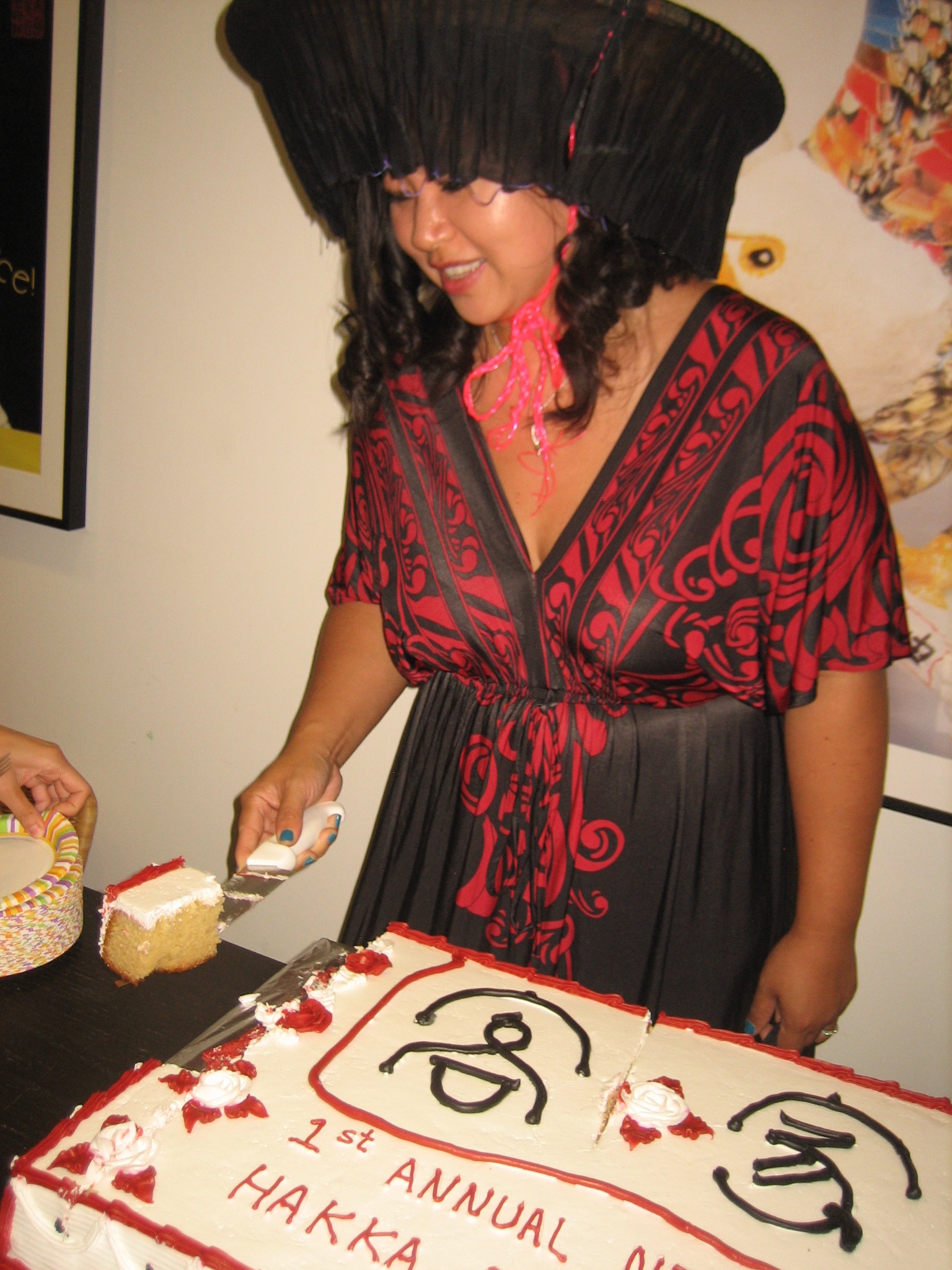
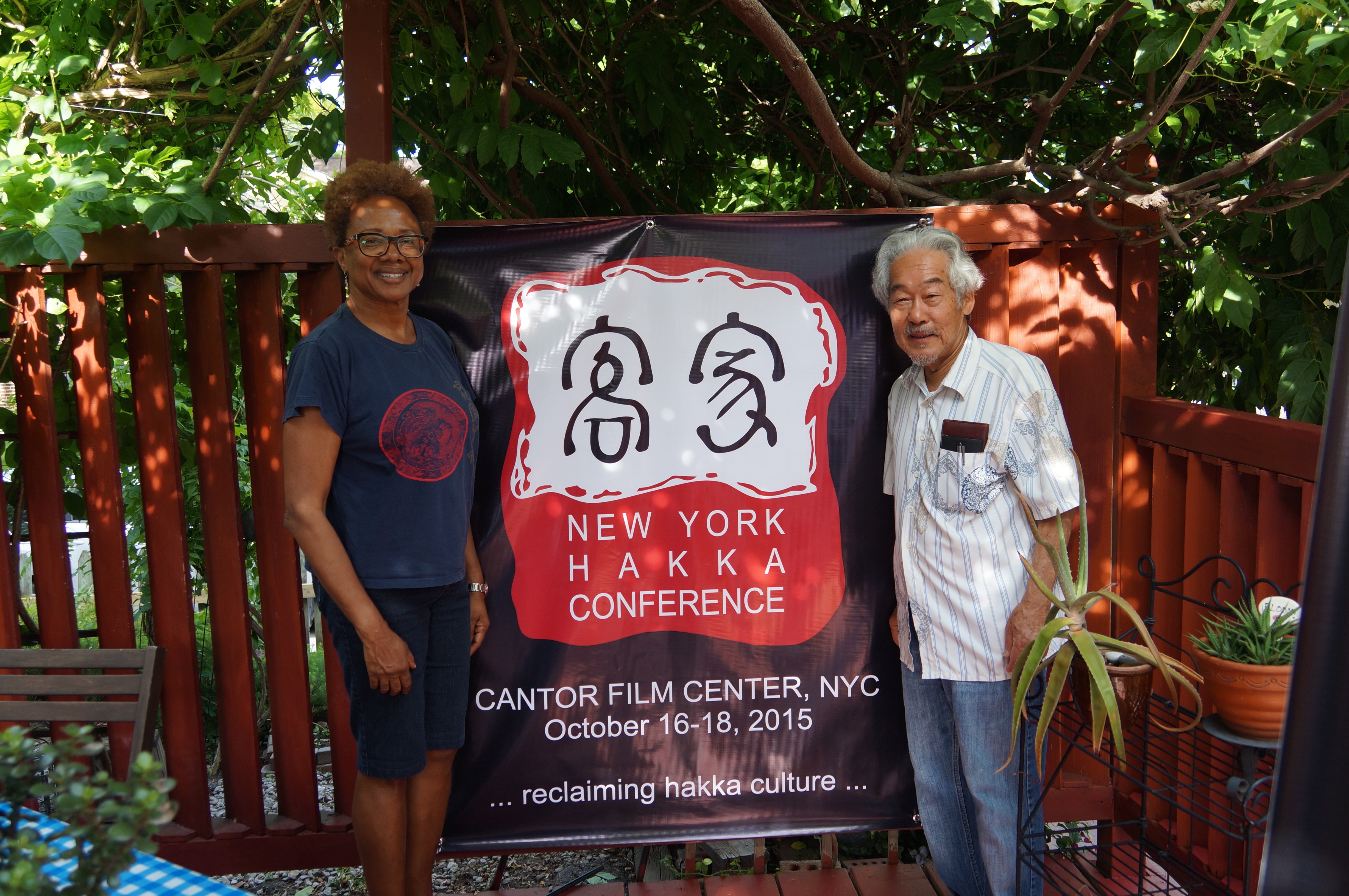
The feeling of finding family came again when I attended the first New York Hakka Conference last weekend. Reclaiming our Hakka heritage was the theme. Co-chairs Dr. Keith Lowe and Paula Madison Williams succeeded in bringing Hakkas together to learn about their shared roots and history. From the evening of October 16 to October 18, attendees immersed themselves in Hakka culture, often with a Jamaican vibe since many of the attendees had Jamaican roots.

We listened to speakers discuss how to find our Hakka roots through Chinese names and cemetery records. We learned about the Chinese success as shopkeepers, bakers, and businessmen in the Caribbean. We saw photos of Hakka earth buildings and Hakka food. Revealing films took us into the lives of Hakka searching for their long lost families in China, growing up in China, and living in India.

The Hakka are one people with a shared history. Find your Hakka heritage at next year’s Fifth Toronto Hakka Conference, July 1 to 3, 2016.

New York Hakka Conference

nyc Hakka“Reclaiming our Hakka Heritage” is the theme of the first New York Hakka Conference. This conference aims to educate people of Hakka and Hakka-Chinese descent in retaining and adapting their traditional culture. Any interested person can attend. The conference starts Friday night October 16 and ends Sunday October 18, 2015.

A festive Friday evening reception at the Museum of Chinese in America kicks off the conference with The Nation Music of Jamaica’s Bryon Lee.

On Saturday and Sunday film screenings, panel discussions, and presentations will be held at the Cantor Film Center at New York University. View the documentary film, “Finding Samuel Lowe: China, Jamaica, Harlem. Learn about Hakka earth buildings, Hakka Migrations, Chinese names and Hakka generations, Chinese success as shopkeepers and entrepreneurs, and much more.

I will be sharing a slide presentation on Hakka cuisine on Saturday afternoon. Register NY Hakka Conference now and join me for a weekend of discovery.

The Cleaver Quarterly

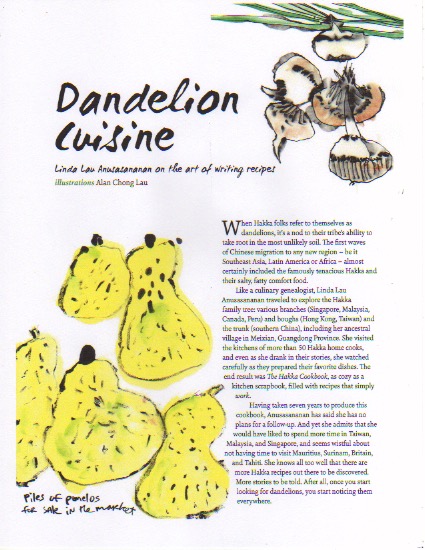
the cleaver quarterlyJust received my comp copy of issue 4 of The Cleaver Quarterly. I found my interview  on page 73. Click Dandelion Cuisine to read. I love the way the article looks with my brother’s (Alan Lau) colorful art. The article shows what the book might have looked like if the publisher’s budget could have afforded the use of 4 color in the book.dandelion cuisine

A few months ago a message landed in my inbox, “We would love to interview you in our magazine, The Cleaver Quarterly.” I was impressed with their unique interview questions that indicated they had read The Hakka Cookbook thoroughly. I had never seen the publication so did a web search. Since it is a print-only magazine, I couldn’t find articles online but got a taste of their mission.

If you are into Chinese food, The Cleaver Quarterly is for you. This year-old publication, headquartered in Beijing, figure more people eat Chinese than any other cuisine. Their focus is to connect people through their passion for Chinese cuisine. This indie publication—sort of like a Chinese-focused version of Lucky Peach—seeks to tell stories through long-form writing. Yeah! Such sentiments are almost unheard of in this age of short bites of text. Irreverent art, photo essays, and illustrations add visual punch to the pages.

In the same issue on page 76, you will also find “Can-Do Attitude,” an interview by Winston Chang, who grew up in a Hakka shopkeeper’s family in Trinidad. Read more about him in The Hakka Cookbook.

Since the magazine is not supported by ads, it is priced higher than glossy ad-supported mass media publications.  Visit their website to see where to buy or get a subscription. I have seen the magazine at Omnivore Books in San Francisco.