5 gifts for the cook

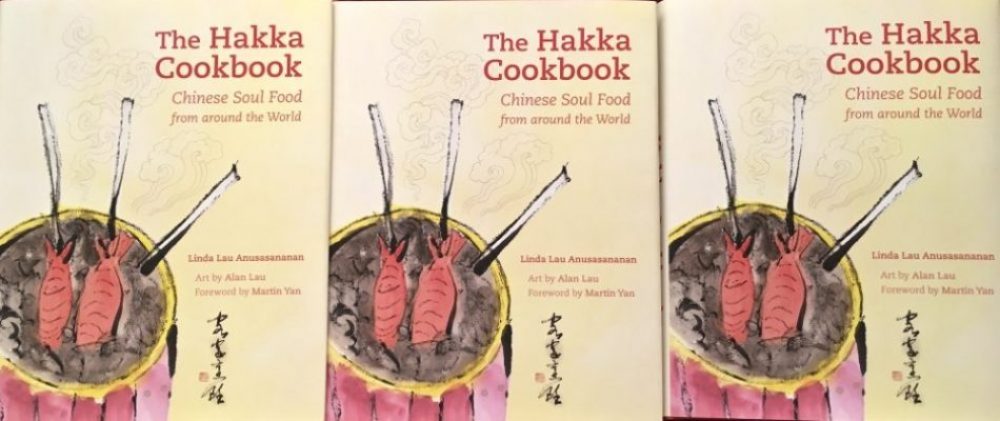
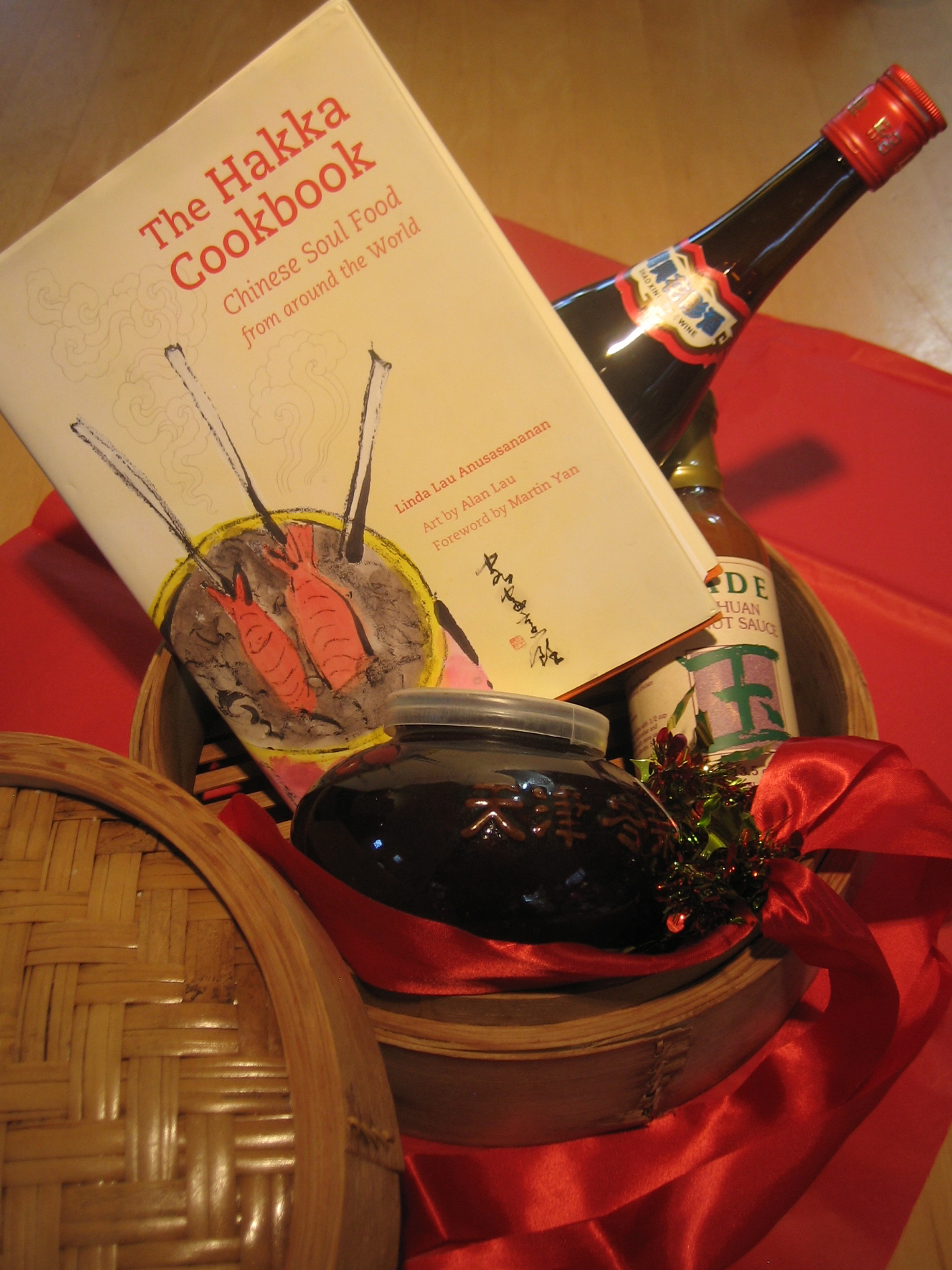
gift with book and steamerLooking for the perfect gift?  If you have someone on your list who wants to learn to cook Chinese food, here are some suggestions for the novice to the more experienced cook. Of course, I would include The Hakka Cookbook that explains how to use the gift with detailed instructions on techniques, ingredients, and equipment as well as over 140 recipes for Chinese comfort food to special occasion festival dishes. Package a few items together for a Chinese cooking kit.

1. Wok. This is the ultimate all-purpose pan in the Chinese kitchen. Use the wok to stir-fry, deep-fry, braise, boil, and steam. For Western kitchens I would choose a 14-inch flat-bottom wok made from rolled steel or enamel-clad cast iron. Check with the Wok Shop. They will find the right wok for you and your stove. These hard working pans are bargain-priced compared to most high quality pans.  Also buy a wok spatula to make stir-frying easier.

2. Chinese cleaver. This is the equivalent of the French chef’s knife. It’s an all-purpose knife with the advantage of a wide blade that’s handy for crushing garlic and scooping up cut vegetables.

3. Chinese  metal steamer or bamboo steamer. These steamers can accommodate wide dishes often used to hold a whole fish, meats, and beaten eggs. Choose one about 11 to 12 inches wide for the most versatility. In a multilayer steamer you can cook several dishes at a time. Steaming is an easy and healthful way to cook. The Wok Shop as well as many Asian supermarkets sell these steamers. Also look for them online.

4. Staples of the Chinese pantry. Present an assortment of key seasonings, especially those that are not readily available in the supermarket, such as dark soy sauce, Chinese rice wine (shaoxing), fermented black beans or black bean and garlic sauce, ground bean sauce, Tianjin preserved vegetables, dried black fungus, and dried tangerine peel. Look at The Hakka Pantry starting on page 247 in The Hakka Cookbook for suggestions, descriptions, Chinese names, and shopping guidance. Or add one of my sauces, JADE Sichuan Peanut Sauce, that is ready to eat without cooking for a table sauce, salad dressing, or stir-fry sauce.
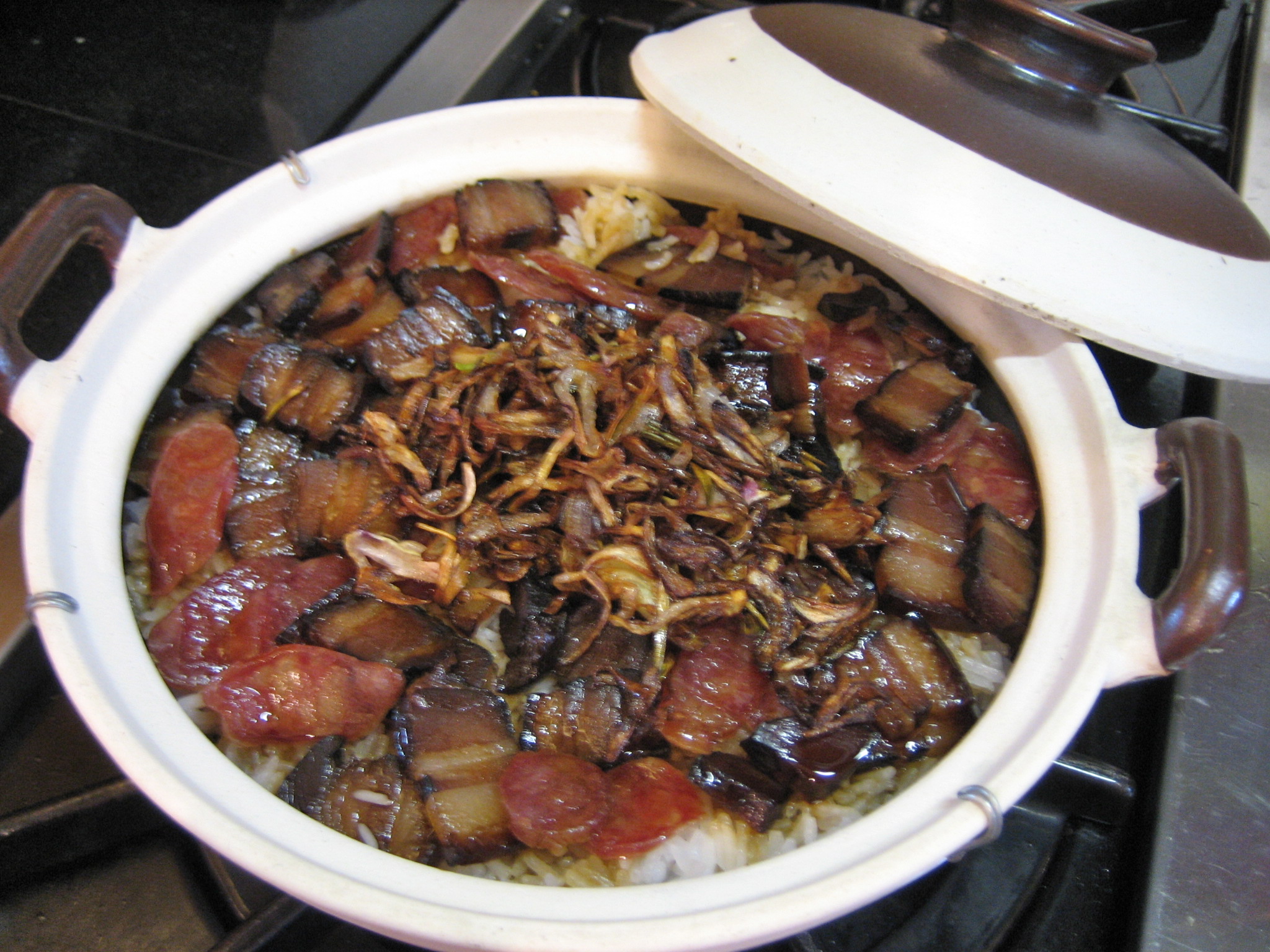
Fragrant Rice cooked in Chinese clay pot.

Fragrant Rice cooked in Chinese clay pot.

5. Chinese clay pot.  For the cook who has the basic equipment, consider giving a clay pot (also known as sand pot). Braise stews, simmer soups, and cook rice in these rustic pots that enhance the natural flavors of the ingredients. They also serve as handsome serving dishes. Best to buy these pots at an Asian cookware store such as the Wok Shop. Also available online.

Happy cooking and eating!
Chinese Thanksgiving

If you live in America, you know that Thanksgiving is the greatest food holiday for Americans. Of course, if you are Chinese, you get a second chance with Chinese New Years. Since I am both Chinese and American, I celebrate both.

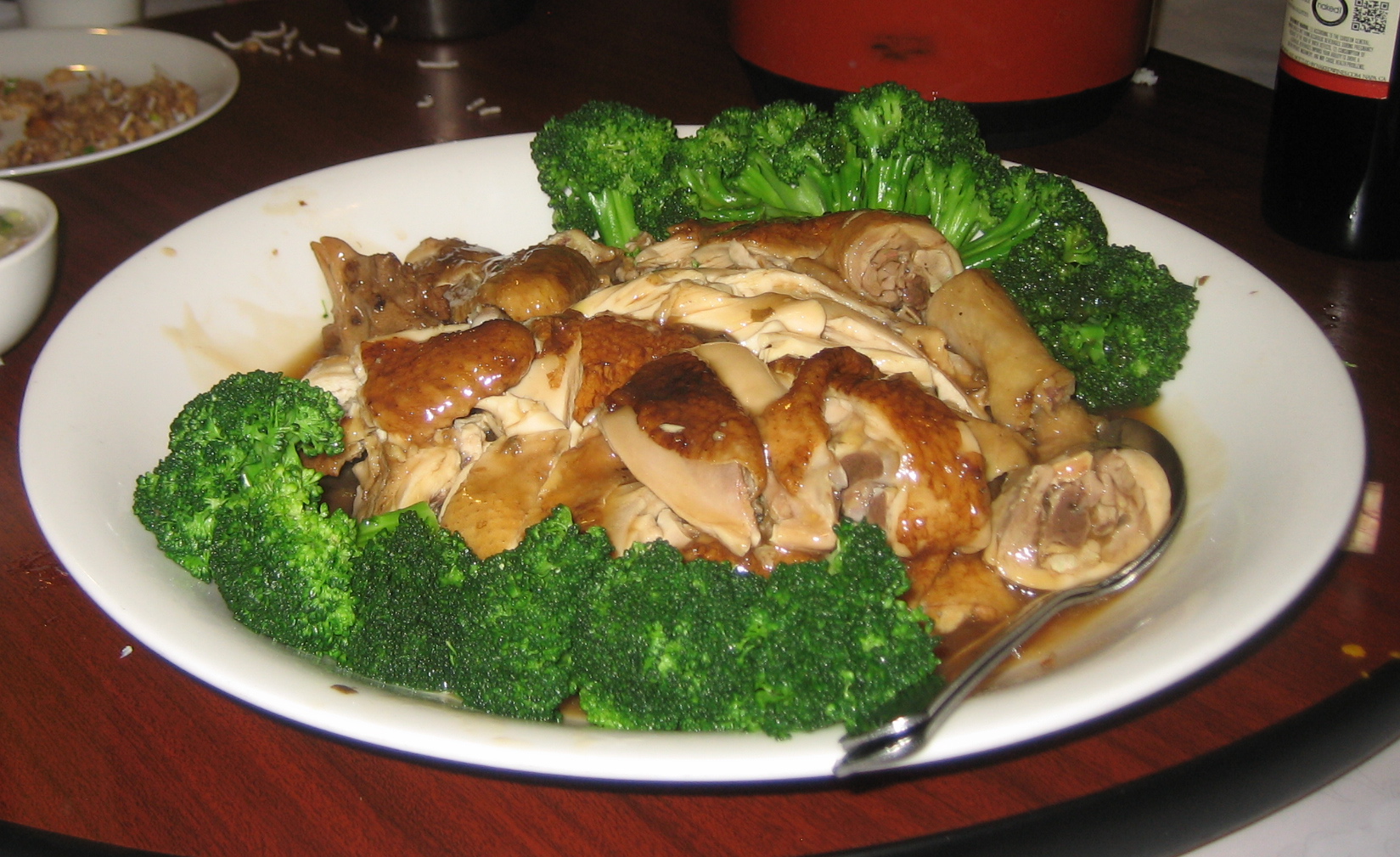
Chicken stuffed with Preserved Mustard Greens at the Hakka Restaurant

Chicken stuffed with Preserved Mustard Greens at the Hakka Restaurant

Ever since I ate the Chicken Stuffed with Preserved Mustard Greens (moi choy gai)  at The Hakka Restaurant in San Francisco, I always thought it would make a great Thanksgiving alternative to traditional turkey. The chicken is stuffed with a savory blend of preserved mustard greens (moi choy), pork, and mushrooms, then braised in broth. After cooking the chicken, the broth is reduced and thickened to make a luscious gravy. If you are lucky to live nearby, you can order the chicken from the restaurant. Otherwise, with a little effort, you can make it. Another alternative to a centerpiece bird would be salt-baked chicken.

If you want to celebrate Thanksgiving with a Chinese feast, consider this menu culled from recipes from The Hakka Cookbook. It is just right for a group of six adventurous diners. For a cooperative effort, ask some guests to bring the appetizer and makings for the side dishes. They can quickly finish them off in your kitchen.

Hakka Thanksgiving Ginger-Scented Squash and Peas

  • Shrimp and Chive Fritters (p. 212) or Salt-Baked Shrimp (p. 62), optional
  • Braised Chicken Stuffed with Preserved Mustard Greens (p. 233) or Salt-Baked Chicken (p. 64)
  • Ginger-Scented Squash, Peas, and Lily Bulbs  (p. 52)
  • Fresh Bamboo Shoots and Mushrooms (p. 159) and/or Chinese Broccoli in Sweet Rice Wine (p. 230)
  • Fragrant Rice (p. 59) or Steamed Rice Bowls (p. 270)
  • Ginger Soup with Sweet Rice Balls (p. 117) or Tangerines, Fuyu Persimmons, and Crystallized Ginger Slices

Happy Thanksgiving!

Need a Chinese cooking teacher?

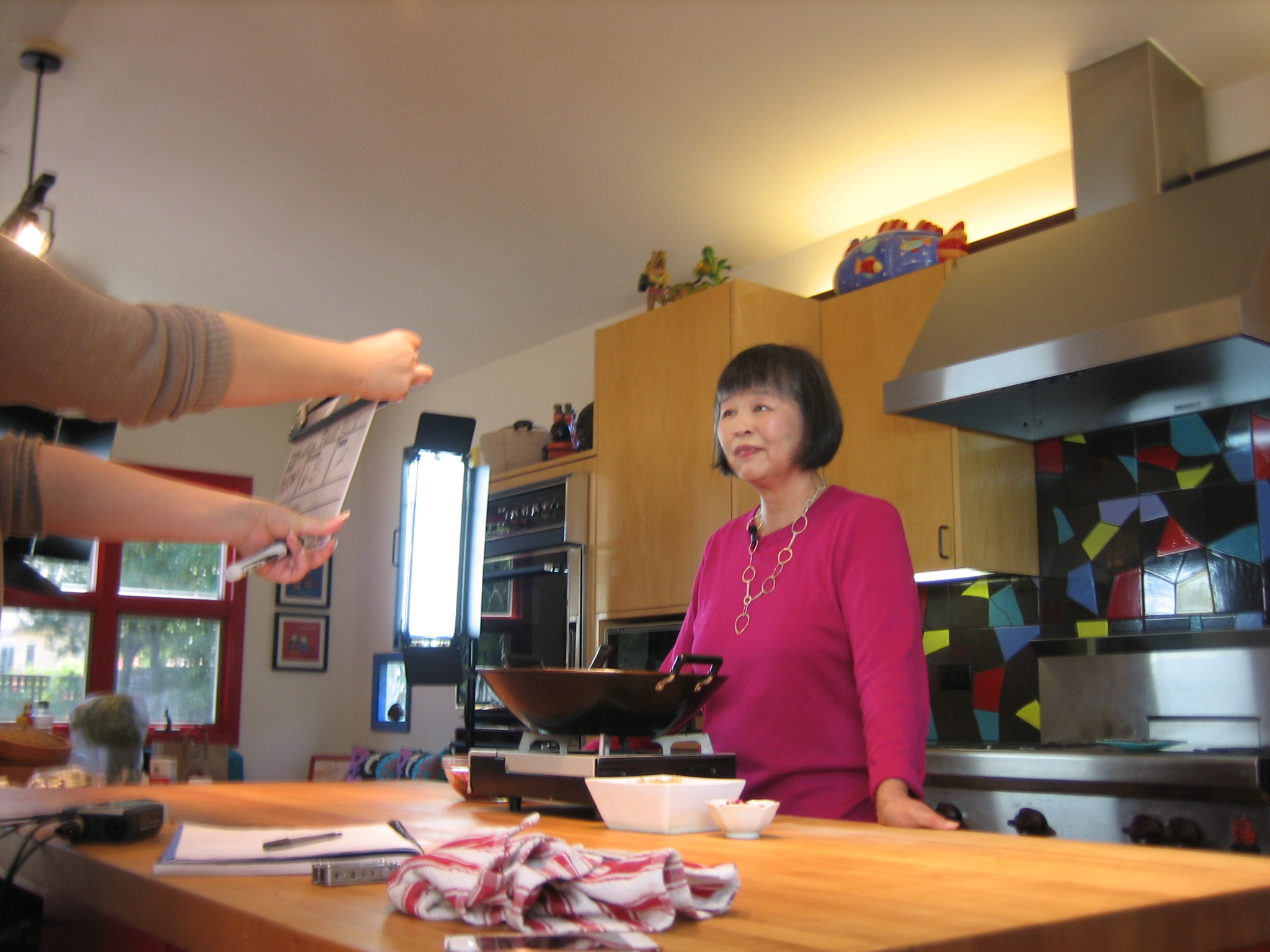
grokker videoA few months ago I was asked by Grokker.com to be one of their experts on their website which features cooking and fitness videos. It seemed a perfect fit for me since I love food and yoga. We spent four long days shooting cooking segments in my kitchen. This week three of my videos were released. I demonstrate some variations of recipes from The Hakka Cookbook and also show how to prepare some other popular Chinese dishes. I always loved developing recipes, especially for the home cook.

If you are interested in learning how to cook Chinese food, click on the following links. You will see about two minutes of the video and then it stops. To see the complete video, you will need to register (it’s free and easy). Once registered, you will be notified of my upcoming cooking demos. You can also view videos from other cooking and fitness experts. Since grokker.com is in beta stage (testing phrase), it is a great opportunity to register and visit the site now for free. Get recipes and lessons from cooking experts from gluten-free to ethnic.

I demonstrate some Hakka recipes in these videos. Click here to learn about the Hakka.  I tasted Chinese Eggplant with Pork (click here for video) in a  tea house in the Hakka village of Beipu in Taiwan. A Hakka woman from Mauritius, a tiny island in the Indian Ocean, shared her recipe for Chicken Fried Rice with Tomato Chutney; click here for video. Since Mauritius has a multicultural society, people often blend cuisines. She paired Chinese fried rice with an Indian-style fresh chutney to add a spicy hot taste.

Want to know how to cook Chinese broccoli like served in many restaurants? It is really easy, check out Chinese Broccoli with Oyster Sauce. Click here for video.
Or see a short overview of my Grokker eggplant video. Click here for video on youtube. Join me at Grokker.com to learn how to cook Chinese food, my way.  I believe in realistic, simplified recipes for the home cook with authentic tastes. Share with your friends, especially those who love to eat but need some help in the kitchen.


The Hakka Cookbook, a year in review

With book artist and brother, Alan Lau, at Book Larder in Seattle

With book artist and brother, Alan Lau, at Book Larder in Seattle


Just one year ago on September 29, 2012, I officially launched The Hakka Cookbook, Chinese Soul Food from around the World at the Asian Art Museum in San Francisco. It was a bit like giving birth in public after a seemingly endless pregnancy, more than seven years. The long labor was worth it.

What a great year! The press has been good to the book, gaining attention even at some of the big names such as New York Times, Wall Street Journal, Associated Press, and Martha Stewart Living.

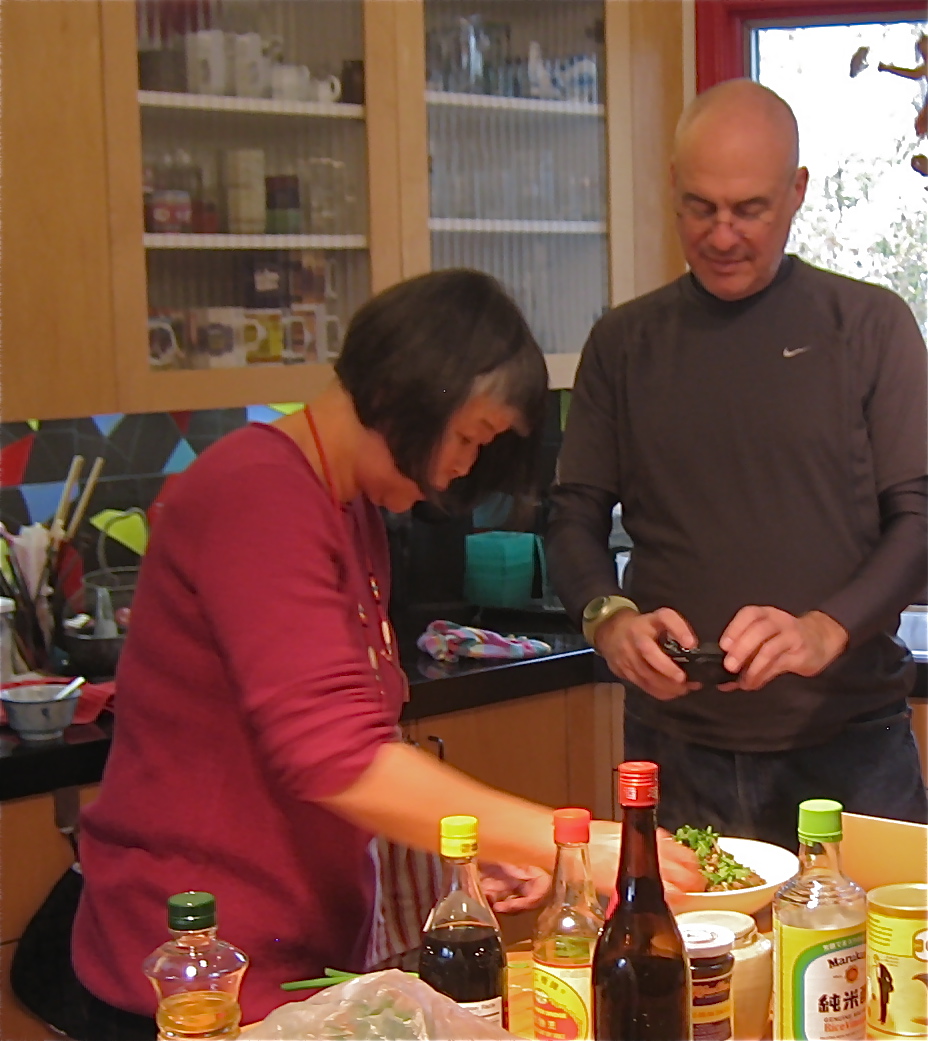
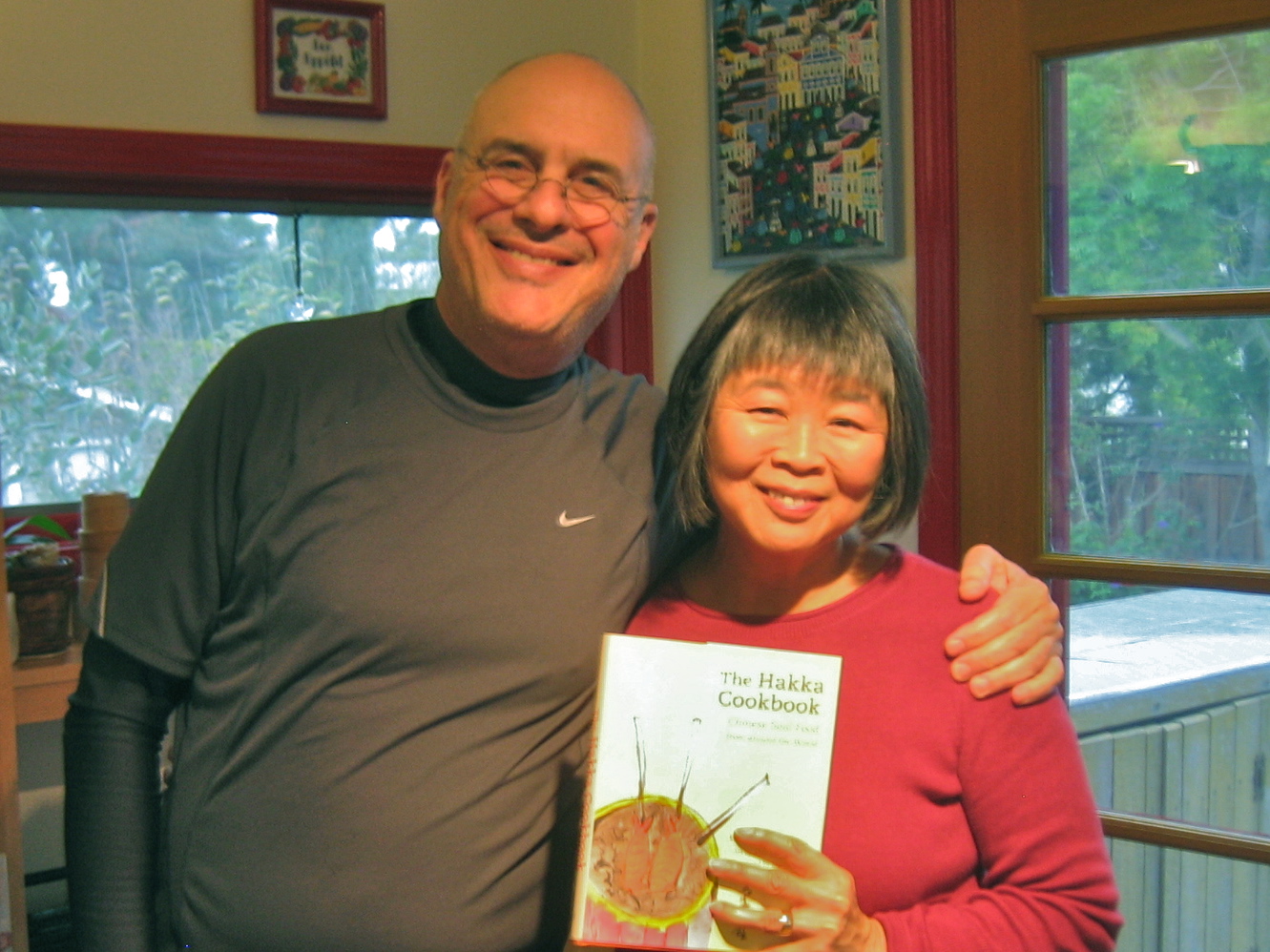
Cooking with Mark Bittman, NY Times writer.

Cooking with Mark Bittman, NY Times writer.

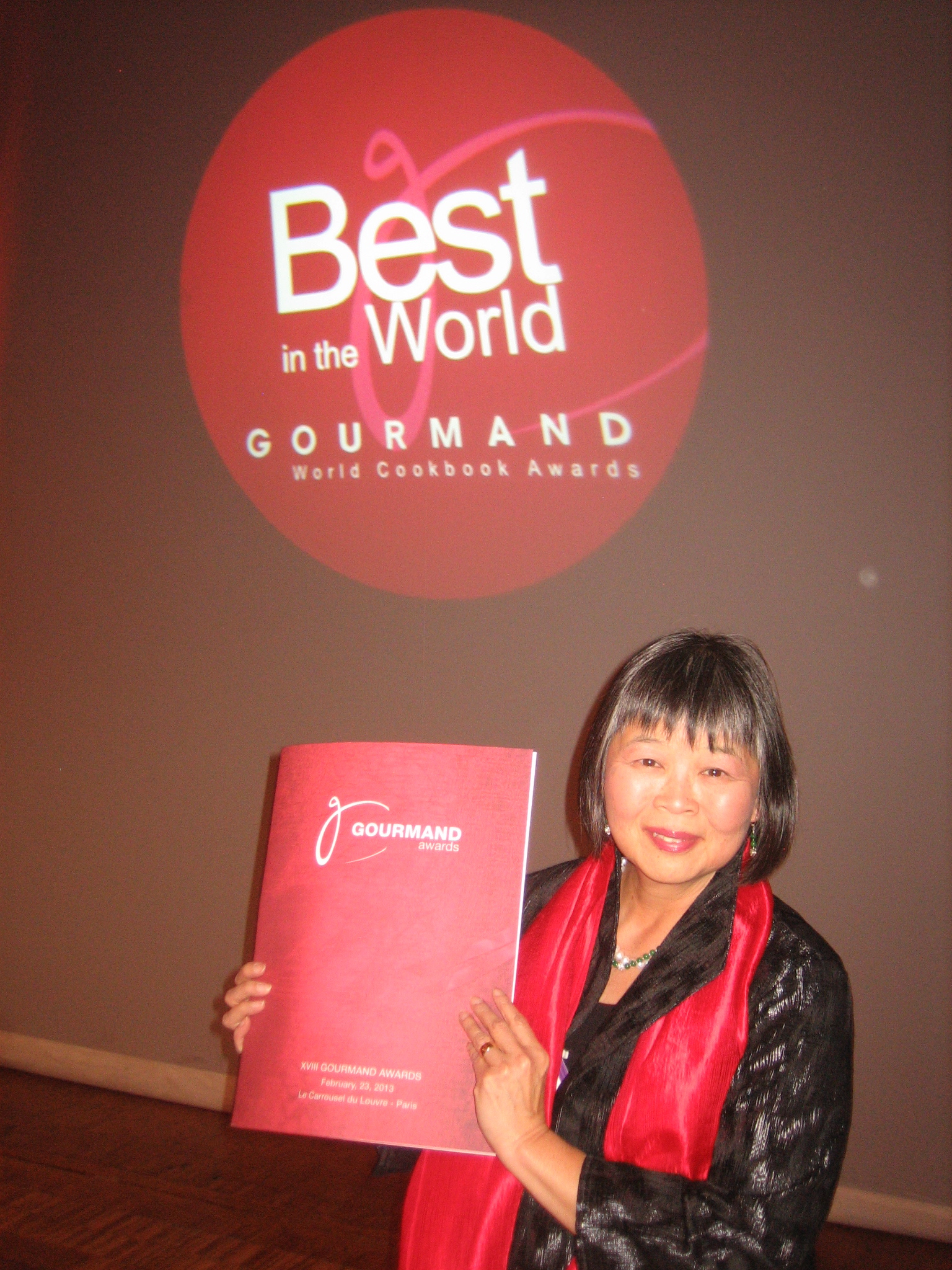
The Hakka Cookbook was recognized as “Best Chinese Cuisine Cookbook in the World” in Paris, I’ve talked about the book on the radio and cable television and many book signing events. Bloggers wrote very thoughtful and appreciate reviews. Best of all, I have connected and met with Hakkas from all over the world. Just shy of its first birthday, the book is in its second printing.

Here’s a quick summary of year one for The Hakka Cookbook. For details on this list, visit this page.

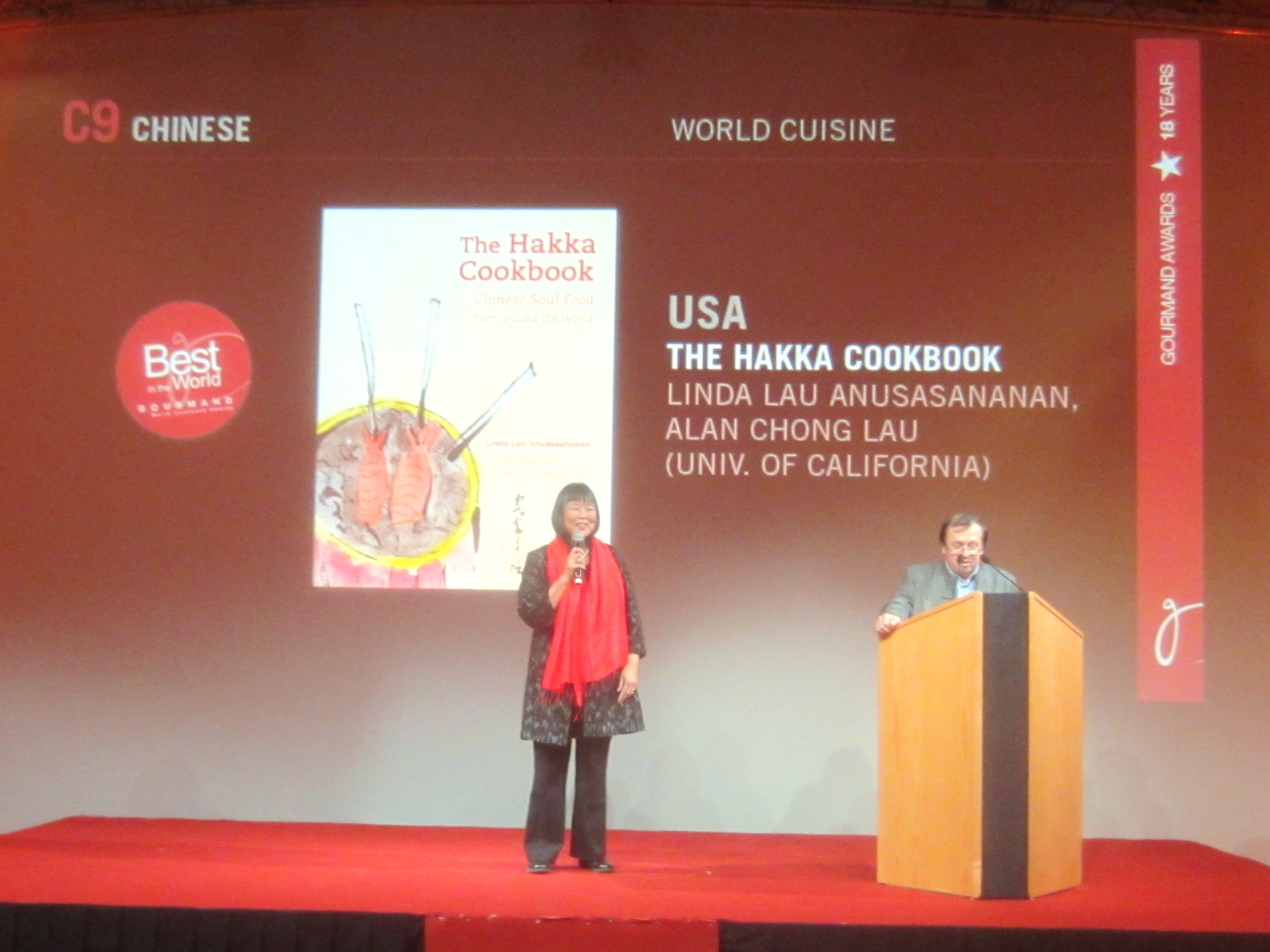
"Best Chinese Cuisine Cookbook of the World"

“Best Chinese Cuisine Cookbook of the World”

  • 21 Printed articles and reviews
  • 24 Digital and blog articles
  • 5 Best or Favorite Cookbook Lists
  • 3 Radio interviews
  • 1 Television/youtube interview
  • 1 Cookbook Award
  • 26 Book signing events

Thanks for all your support. Hope to meet you at a  future event.


Story behind New York Times article

Last September, just before The Hakka Cookbook was released, my very excited publicist forwarded a message to me from Mark Bittman, writer for the New York Times. “I’d like to do a story about/with you, with some cooking. I’ll come out there to do it (unless you have a better idea), assuming you’re game. We’ll run it in the Times Magazine – whaddya think?

Wow! I thought. To be noticed by the New York Times is a great honor and a big deal. We chose a date, which is a hurdle since Mark is a busy man. We selected November 4. After numerous messages we decided on three recipes to cook. Then on October 29, 2012 Hurricane Sandy hit New York City. With the news of destruction and flooding I was sure he would need to cancel. At first he said he still planned on coming, but a few days later, he canceled because he could not leave the city.

We rescheduled for January 9, 2013. He was coming by himself. No photographer which was a bit of relief, didn’t need to worry about appearances. He wore his biking shorts, I wore my slippers. He is a very down-to-earth kind of guy. Got out his laptop to take notes while I cooked. After each dish, he tasted a small spoonful. He said he had already eaten breakfast and wasn’t very hungry and we could save the food for dinner. Being a food writer, too, I understand that a bite or two is all you need, although a non-professional host might have been disappointed in his tiny tastes.  Later I found out that he had been working on VB6, Eat Vegan before 6:00, a book on following a strict vegan diet during the day, then after 6 pm restrictions are gone as long as you eat modest quantities. Two of my dishes had small amounts of lean pork cooked with vegetables. The third recipe was Braised Chicken Wings in Bean Sauce. Perhaps I should have cooked Braised Tofu and Vegetable Clay Pot instead. Anyway he seemed to like the food.

He told me he thought the story would run in late February or early March. Those dates passed. Since I had a long career at Sunset Magazine as a food writer, I knew promising stories often do not run for many reasons out of the writer’s control. By May, I had thought my story might have hit a dead end, but a week before I departed for China I heard from a NY Times research editor about fact checking and illustrations. A good sign. A few days later, in the Hong Kong airport I read a message from my publisher with the link to the story, The Nomad’s Kitchen in the New York Times. I read it quickly and posted on Facebook and Twitter.  In a few hours, I would be in China for two weeks where there’s no access to the New York Times, Facebook, or Twitter.

Now I’m back and finally see the print version. Thanks Mark Bittman and the New York Times!

Tea with Hakka Food

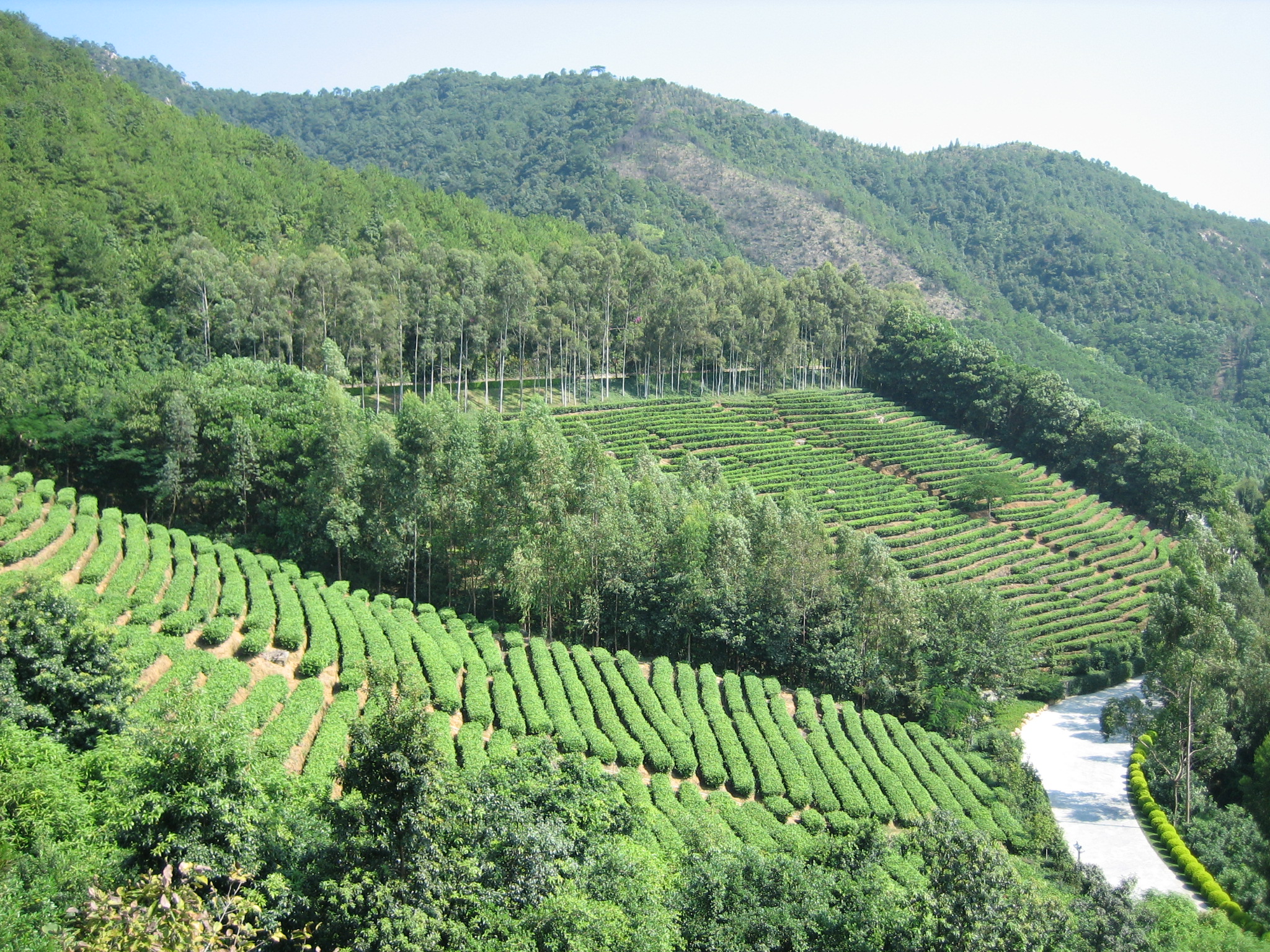
Yearning Tea Plantation in Meizhou China

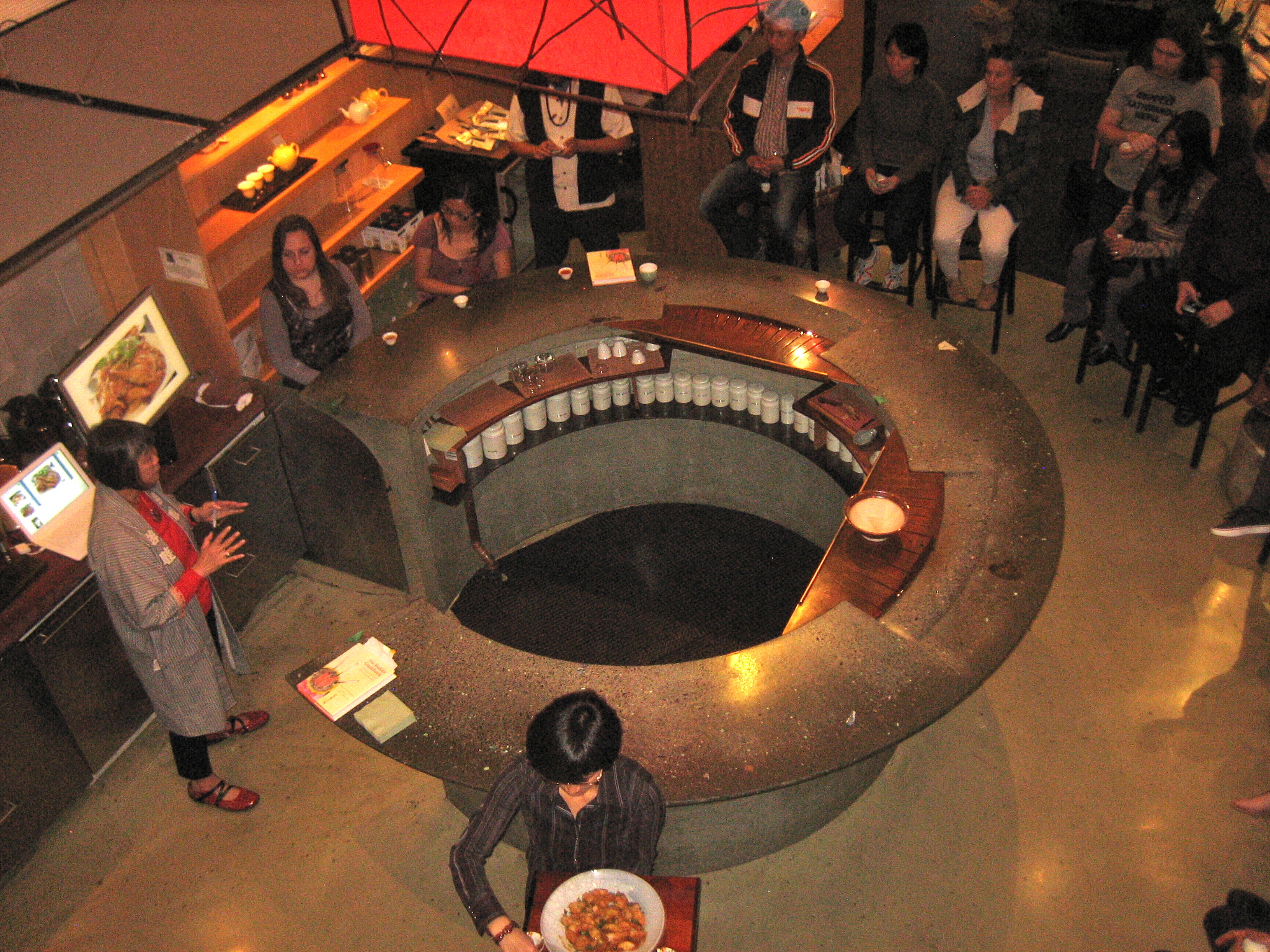
A few weeks ago, Winnie Yu, one of the owners of Teance Fine Teas in Berkeley, California hosted a book signing event for The Hakka Cookbook. In the zen-like atmosphere of this tea shop designed by Fu-Teng Cheng, the tea shop staff served several recipes from my book with premium teas while  I talked about my Hakka journey. The enthusiastic audience was relaxed and totally engaged. Perhaps that is the magic of drinking premium teas with food, it soothes the soul and creates energy.

Speaking at the tea bar at Teance Fine Teas in Berkeley, California.

Winnie says, “Appreciating artisanal teas is a lot like appreciating great wines.” For our event, she served mostly fine oolong teas, semi-oxidized and roasted teas that seem to go with a wide variety of foods. I think of oolong, similar to a Pinot Noir, with lovely aromas, complex flavors, and a full-bodied palate. The oolong teas can range from greenish and floral to darker and fruitier. We started with Old Grove Shuixian with dark cinnamon notes that we drank by itself while we waited for guests to assemble.

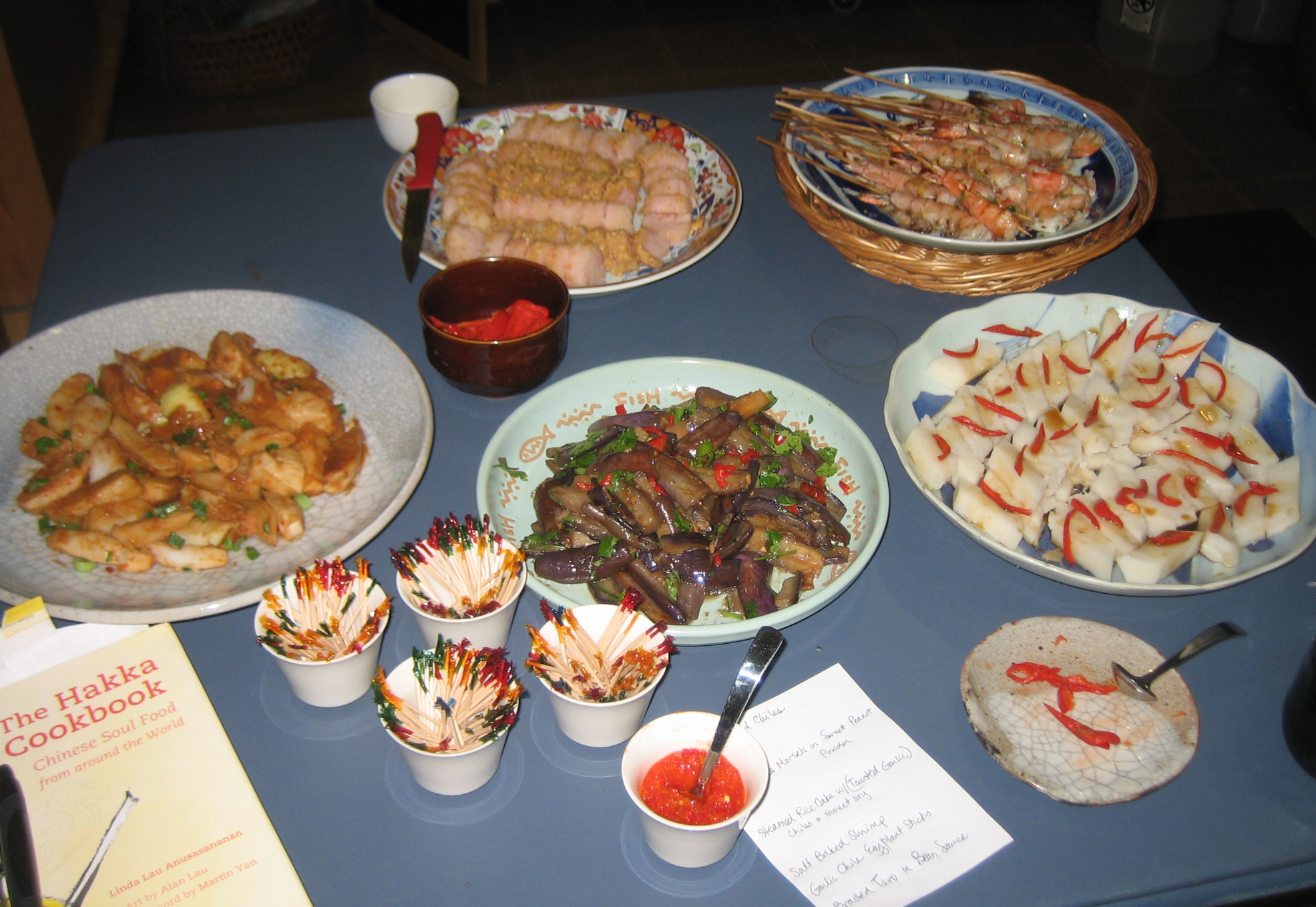
Behind the scenes, samples from The Hakka Cookbook to serve with tea at Teance.

We sipped the full-bodied Tieguanyin Light Roast with Salt-baked Shrimp (page 62) and  Garlic Chile Eggplant Sticks (page 56). Phoenix Almond Oolong with the taste of almonds complemented the neutral Steamed Rice Cake (page 174) with the sweet-sour-medium hot Pickled Red Chiles (page 72). We tasted the spicy-sweet Taiwan Beauty with the Chewy Rice Morsels in Sweet Peanut Powder (page 97).  With the robust flavored Braised Taro in Bean Sauce (page 219), we drank a Red Plum Black tea, a darker, fully oxidized tea.

This book event reminded me of our afternoon at a tea plantation on our scouting trip in China. In the mountains of Meizhou, we visited the Hakka owned Yearning Tea Plantation. There we tasted the local dancong tea, an oolong tea noted for its ability to soothe the throat. The company logo, a flying wild goose, represents the Hakka fleeing from the north to the south, a fitting tribute to tea and the Hakka.

A Hakka feast

Minced Pork with Lettuce Wraps

I discovered the Hakka Restaurant when I was almost done with the research for my book. Luckily I was able to include talented Chef Jin Hua Li and a couple of his recipes in my book. When the San Francisco Professional Food Society (SFPFS) asked me to put together a menu from the Hakka Restaurant for their Traveling Table, a program that explores the bay area’s unique restaurants, I was happy to share his delicious food with them. Here’s the menu.

Minced Pork with Lettuce Wraps
Bamboo Pith Seafood Soup
Chinese Bacon with Preserved Greens
House Special Pan-Fried Tofu
Fried Pumpkin Strips coated with Salted Egg Yolk
Chicken Stuffed with Preserved Greens (recipe pg. 233)
Stir-fried Chinese Broccoli with Rice Wine (recipe pg. 230)
Clams with Spicy Salt and Black Beans
Home-Style Steamed Sea Bass
House Special Eggplant
Steamed Rice

The lettuce wraps uses a well-seasoned pork as a simple filling for crunchy lettuce leaves. The mild soup, focuses on natural flavors and offers a light contrast to the more robust flavors in the meal.  The House Special Pan-Fried Tofu and the Chinese Bacon with Preserved Greens are Hakka classics. The Chicken Stuffed with Preserved Greens is one of Chef Li’s specialties, order a day in advance. The chicken is filled with a savory mix of preserved mustard greens, mushrooms, and pork, then braised.

Chicken stuffed with Preserved Mustard Greens at the Hakka Restaurant

The steamed fish is topped with a shower of typical Hakka ingredients pickled mustard greens and shreds of pork. Both the clams and eggplant dish reflect adaptations to local tastes as the Hakka migrated. The clams exude a spiciness reminiscent of Sichuan province.  The clams are deep-fried in their shells then stir-fried with fermented black beans, ground pork, chiles, garlic, and sometimes Sichuan peppercorns.  The tender eggplant tastes mildly sweet, sour, hot and aromatic with basil and cilantro, hinting of Thai seasonings. Hakka settled in both these areas, China’s Sichuan province and Thailand.

Everyone loved the meal. I think you will, too. The Hakka Restaurant is located at 4401-A Cabrillo Street (corner of 45th Avenue), San Francisco, CA 94121. Tel. 415. 876. 6898.

Best Chinese Cuisine Cookbook in the World

A couple of months ago I was notified that The Hakka Cookbook was the USA finalist and on the shortlist for the Chinese Cuisine category in the Gourmand World Cookbook Awards. The award ceremony would take place in Paris. At first, I thought Paris seemed an expensive trip to go for an award I was unlikely to receive. Yet, I might never have another chance for this experience. Any excuse to visit Paris seemed good enough, win or lose.

Last weekend we sat in a ballroom packed with people, some dressed in backless gowns, Japanese kimonos, or Russian costumes. Finalists were from all over the world— Malaysia, Australia, Mexico, Ireland, China, Turkey, India, South Africa. People were just as excited as if they were at the Academy Awards. As the awards were announced, the winners came to the stage, received a large certificate (sorry, no golden statue), and a brief chance to thank their supporters.

Shock, disbelief, joy–these emotions flooded through me as I heard the host of the ceremonies announce, “We have a tie for first place for best Chinese Cuisine Cookbook in the World.” I looked at the screen on stage and my book, The Hakka Cookbook appeared alongside China’s finalist Da Dong Artistic Conception of Chinese Cuisine. I couldn’t believe it, my modest book, which took years to find a publisher was awarded Best Chinese Cuisine Cookbook in the World for 2012. My husband was so shocked, he almost forgot to take photos as I walked to the stage to receive my award certificate.

The day after the awards, I compared the finalists in my category. Interestingly, the two first place winners were complete opposites. I would almost consider the book from China an art book. Big and beautiful with glossy pages of lush color photos of stylized dishes, it seemed to be made for the coffee table rather than the kitchen. Recipes were chef-oriented. The Hakka Cookbook, the only finalist without color photos, used duo tone paintings by my brother, Alan Chong Lau, to illustrate the pages. Detailed recipes for comfort food was written for home cooks. Yet the book also contained history, and stories about the Hakka, a people and cuisine rarely written about. Perhaps the judges awarded both of us for innovation in different ways, we both explored new territory in unique presentations. Whatever the reasons, winning made my trip to Paris, even sweeter.

My favorite woks

Stir-frying in an enamel clad cast-iron wok. Twenty-five year old carbon steel wok rests in foreground.

At my Hakka cooking party, I brought woks for stir-frying. Although we could have used a 12-inch frying pan, I find the wok far superior. With its bowl-like shape and great heat conductivity, the wok is one of the most versatile pans there is. Use it for stir-frying, braising, deep-frying, steaming, pan-browning, boiling, and smoking.

My friends questioned me about the woks. Many had admitting once owning a wok, but gave it away. Think of a wok like a cast iron frying pan. You need to scrub it, then season it with oil to seal the pores. Use it often and it develops a non-stick patina. Once you get the hang of it, you will use the wok for everything.  Besides Chinese stir-fries, I use the wok to make spaghetti sauce, stews, and even popcorn. It will last forever. It’s the best pan for camping trips, versatile and rugged.

“Which wok should I buy,” they asked. The wok should measure about 14-inches across. This is a good size for most home ranges. With gas burners you can use a flat or round bottom wok. Round bottom woks need a ring to stabilize the pan when used for steaming or deep-frying.  With electric burners, choose the flat bottom wok.

I brought two woks. One is a traditional carbon steel round bottom wok with one long wood handle and a short handle on the opposite side. The long handle is easy to grasp when stir-frying and sits on my gas burner. However, for most people a flat bottom version of this wok might be preferable. My wok is more than twenty-five years old and has a dark patina from frequent use. About seven years ago, Tane Chan of The Wok Shop in San Francisco gave me a two-handled enamel-clad cast iron flat-bottom wok which I use almost everyday.  Both are priced under $25.

To season these woks, scrub them well, inside and out. Coat the surfaces  (no need to coat enamel exterior) with a light film of neutral flavored vegetable oil. If there are wood handles, remove or wrap with a damp cloth and foil. Bake, upside- down, in a preheated 425° F oven for about 20 minutes. To remove the metallic taste,  place wok over medium heat. Add 2 tablespoons oil and cut-up onions or Chinese chives and stir-fry, pressing vegetables into the pan, until about two-thirds of the pan turns black, 10 to 15 minutes. Throw out vegetables. Wipe off excess oil and you’re ready to stir-fry.

You need to use your wok, preferably often, to develop a patina. People give up on woks too soon.  Don’t scrub it too hard or you will remove the seasoning. Simply soak the pan until stuck-on food is soft, then wipe off and rinse. I dry the pan over a hot burner to make sure it is thoroughly dry. Storing a wok damp may cause it to rust. A wok should not be shiny and bright like a stainless steel pan. It’s a work in progress. The color of your pan will change as it is used and eventually develop dark color and natural nonstick finish.

An easy way to restore the patina is to pop corn it it. Simply place the wok over medium-high heat. When the pan is hot, Add about 3 tablespoons vegetable oil and 1/3 cup popcorn kernels. Cover the pan and shake pan often until popping subsides, 2 to 3 minutes. Pour out popcorn. The popcorn spreads the oil all over the pan evenly. Repeat, then wipe out excess oil. Your bonus is popcorn to snack on.

When buying your wok, also get a domed lid, curved wok spatula, and if buying a round bottom wok, get a wok ring. A good source to buy your woks is at The Wok Shop which is also online. My friend Tane Chan can guide you.


Dedicated to the Hakka around the world

I dedicated this book to Hakka all around the world. That’s why I was so touched to read a post on Maya in the Morning by Maya Leland, a fellow Hakka who received The Hakka Cookbook as a gift.

In Roots uncovered, she writes about our shared history and most importantly she relays her own family story of migration from China to British Guyana to Jamaica. Her daughter-in-law even cooked one of the more exotic dishes in the book, Spiced Goat Stew with Preserved Lime Sauce, a recipe from a Hakka Jamaican who now lives in Toronto.

Reading blogs and reviews like this fulfills one of my goals for writing The Hakka Cookbook. Hopefully the book makes Hakkas as well as the world to be more aware of who we are, our unique history of migration, our strong character, and our food.

Thanks Maya.