Tea with Hakka Food

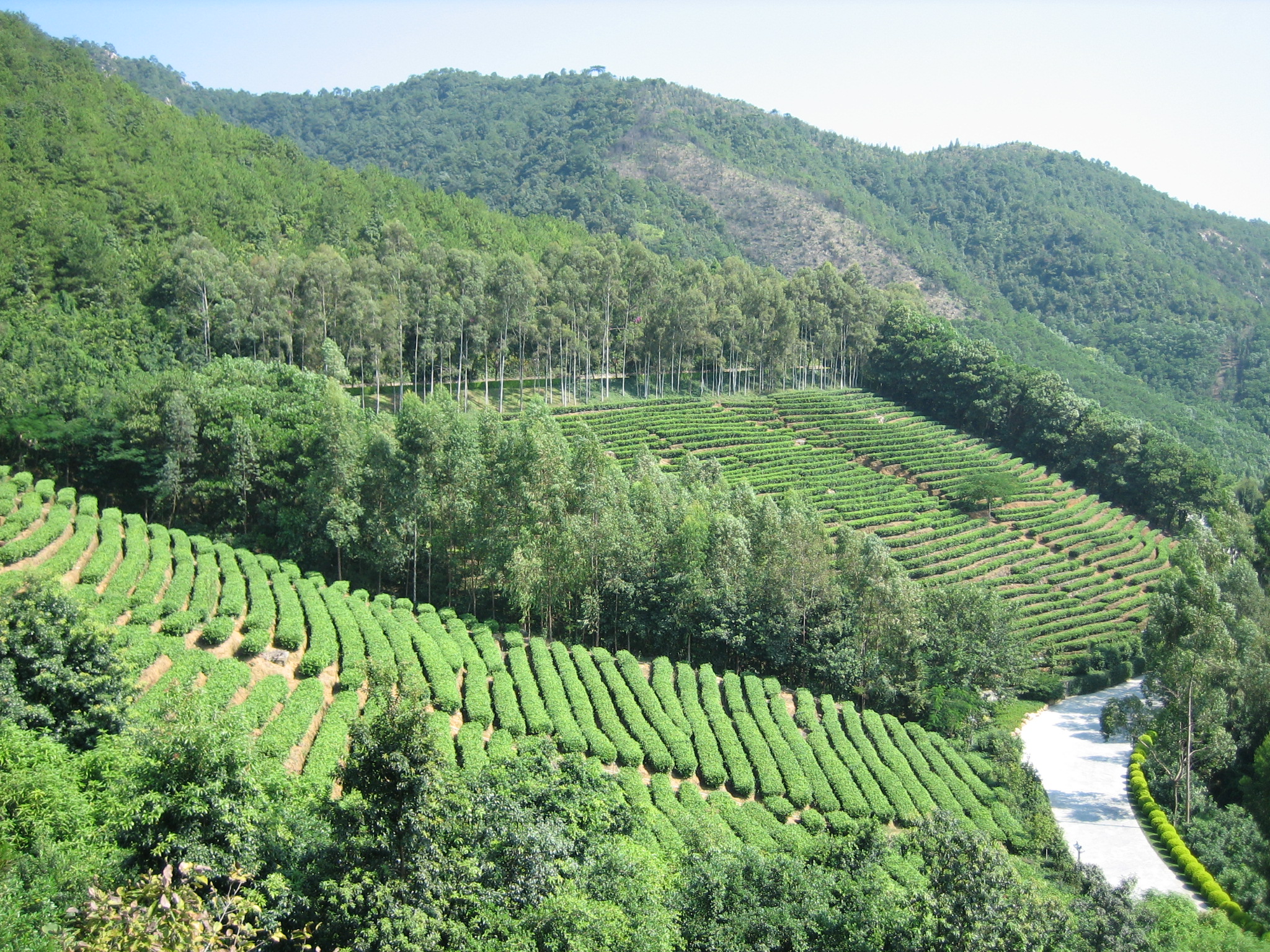
Yearning Tea Plantation in Meizhou China

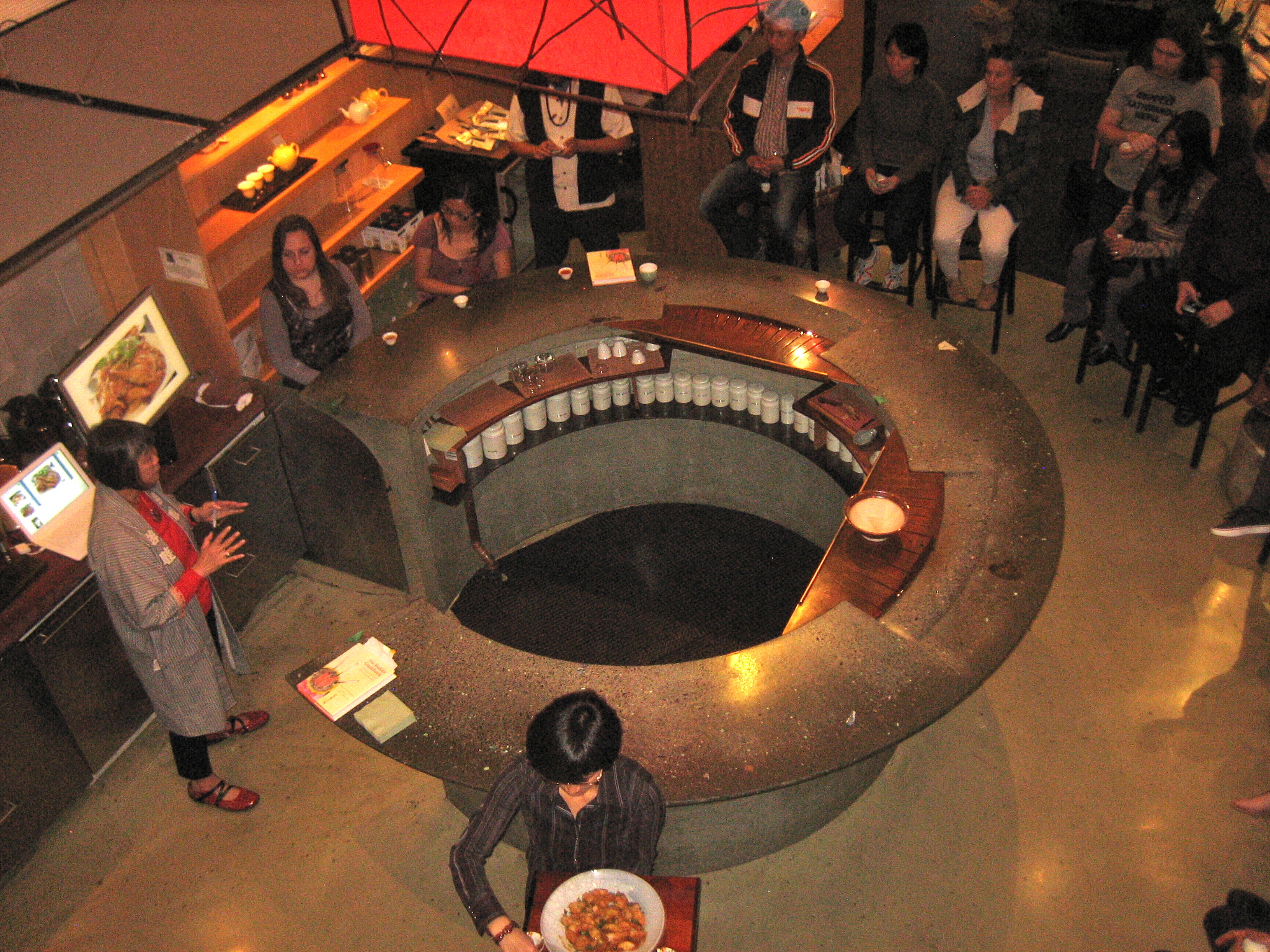
A few weeks ago, Winnie Yu, one of the owners of Teance Fine Teas in Berkeley, California hosted a book signing event for The Hakka Cookbook. In the zen-like atmosphere of this tea shop designed by Fu-Teng Cheng, the tea shop staff served several recipes from my book with premium teas while  I talked about my Hakka journey. The enthusiastic audience was relaxed and totally engaged. Perhaps that is the magic of drinking premium teas with food, it soothes the soul and creates energy.

Speaking at the tea bar at Teance Fine Teas in Berkeley, California.

Winnie says, “Appreciating artisanal teas is a lot like appreciating great wines.” For our event, she served mostly fine oolong teas, semi-oxidized and roasted teas that seem to go with a wide variety of foods. I think of oolong, similar to a Pinot Noir, with lovely aromas, complex flavors, and a full-bodied palate. The oolong teas can range from greenish and floral to darker and fruitier. We started with Old Grove Shuixian with dark cinnamon notes that we drank by itself while we waited for guests to assemble.

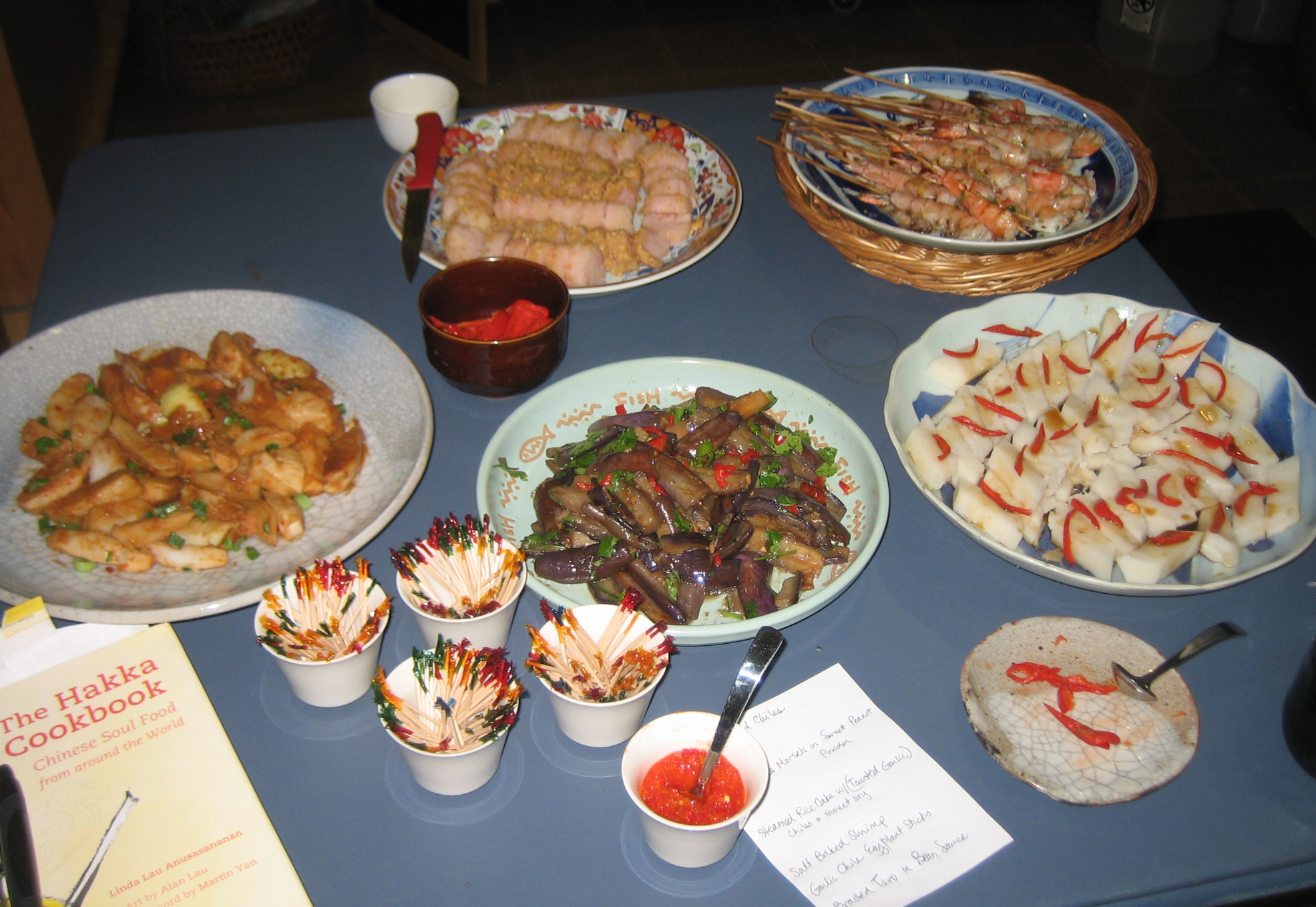
Behind the scenes, samples from The Hakka Cookbook to serve with tea at Teance.

We sipped the full-bodied Tieguanyin Light Roast with Salt-baked Shrimp (page 62) and  Garlic Chile Eggplant Sticks (page 56). Phoenix Almond Oolong with the taste of almonds complemented the neutral Steamed Rice Cake (page 174) with the sweet-sour-medium hot Pickled Red Chiles (page 72). We tasted the spicy-sweet Taiwan Beauty with the Chewy Rice Morsels in Sweet Peanut Powder (page 97).  With the robust flavored Braised Taro in Bean Sauce (page 219), we drank a Red Plum Black tea, a darker, fully oxidized tea.

This book event reminded me of our afternoon at a tea plantation on our scouting trip in China. In the mountains of Meizhou, we visited the Hakka owned Yearning Tea Plantation. There we tasted the local dancong tea, an oolong tea noted for its ability to soothe the throat. The company logo, a flying wild goose, represents the Hakka fleeing from the north to the south, a fitting tribute to tea and the Hakka.

A Hakka feast

Minced Pork with Lettuce Wraps

I discovered the Hakka Restaurant when I was almost done with the research for my book. Luckily I was able to include talented Chef Jin Hua Li and a couple of his recipes in my book. When the San Francisco Professional Food Society (SFPFS) asked me to put together a menu from the Hakka Restaurant for their Traveling Table, a program that explores the bay area’s unique restaurants, I was happy to share his delicious food with them. Here’s the menu.

Minced Pork with Lettuce Wraps
Bamboo Pith Seafood Soup
Chinese Bacon with Preserved Greens
House Special Pan-Fried Tofu
Fried Pumpkin Strips coated with Salted Egg Yolk
Chicken Stuffed with Preserved Greens (recipe pg. 233)
Stir-fried Chinese Broccoli with Rice Wine (recipe pg. 230)
Clams with Spicy Salt and Black Beans
Home-Style Steamed Sea Bass
House Special Eggplant
Steamed Rice

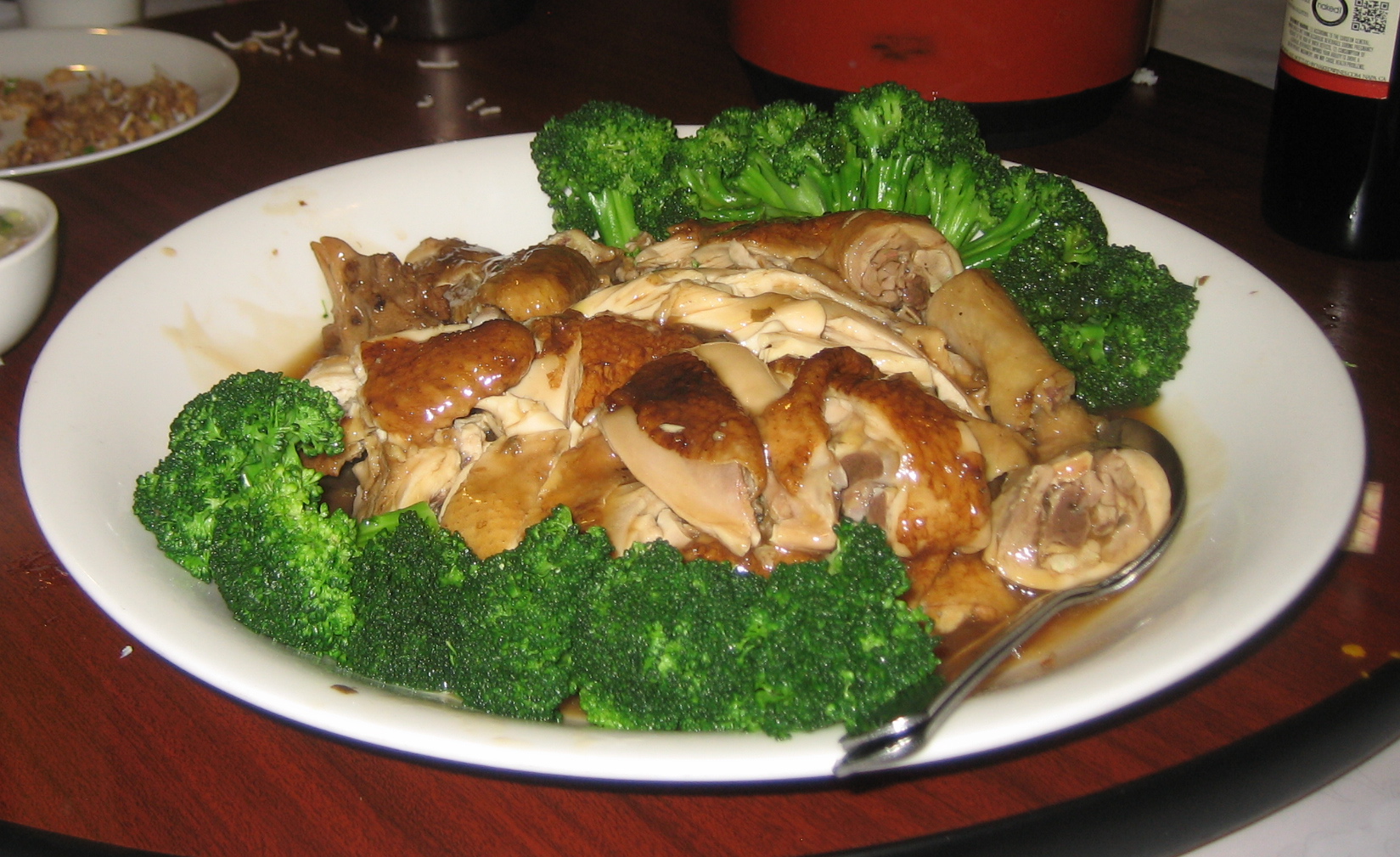
The lettuce wraps uses a well-seasoned pork as a simple filling for crunchy lettuce leaves. The mild soup, focuses on natural flavors and offers a light contrast to the more robust flavors in the meal.  The House Special Pan-Fried Tofu and the Chinese Bacon with Preserved Greens are Hakka classics. The Chicken Stuffed with Preserved Greens is one of Chef Li’s specialties, order a day in advance. The chicken is filled with a savory mix of preserved mustard greens, mushrooms, and pork, then braised.

Chicken stuffed with Preserved Mustard Greens at the Hakka Restaurant

The steamed fish is topped with a shower of typical Hakka ingredients pickled mustard greens and shreds of pork. Both the clams and eggplant dish reflect adaptations to local tastes as the Hakka migrated. The clams exude a spiciness reminiscent of Sichuan province.  The clams are deep-fried in their shells then stir-fried with fermented black beans, ground pork, chiles, garlic, and sometimes Sichuan peppercorns.  The tender eggplant tastes mildly sweet, sour, hot and aromatic with basil and cilantro, hinting of Thai seasonings. Hakka settled in both these areas, China’s Sichuan province and Thailand.

Everyone loved the meal. I think you will, too. The Hakka Restaurant is located at 4401-A Cabrillo Street (corner of 45th Avenue), San Francisco, CA 94121. Tel. 415. 876. 6898.

How to make wontons

Ready to make wontons? Start with a great filling. I have a delicious option in The Hakka Cookbook, page 148. Ground pork is flecked with dried orange peel (use fresh, if you don’t have dried). Tianjin preserved vegetables (use soy sauce as a substitute) contribute a savory saltiness.  And chunks of water chestnut pebble the filling with crunchy texture. Use the mixture as a filling for wonton or pat it into even layer and steam to make a juicy pork hash, Chinese comfort food.

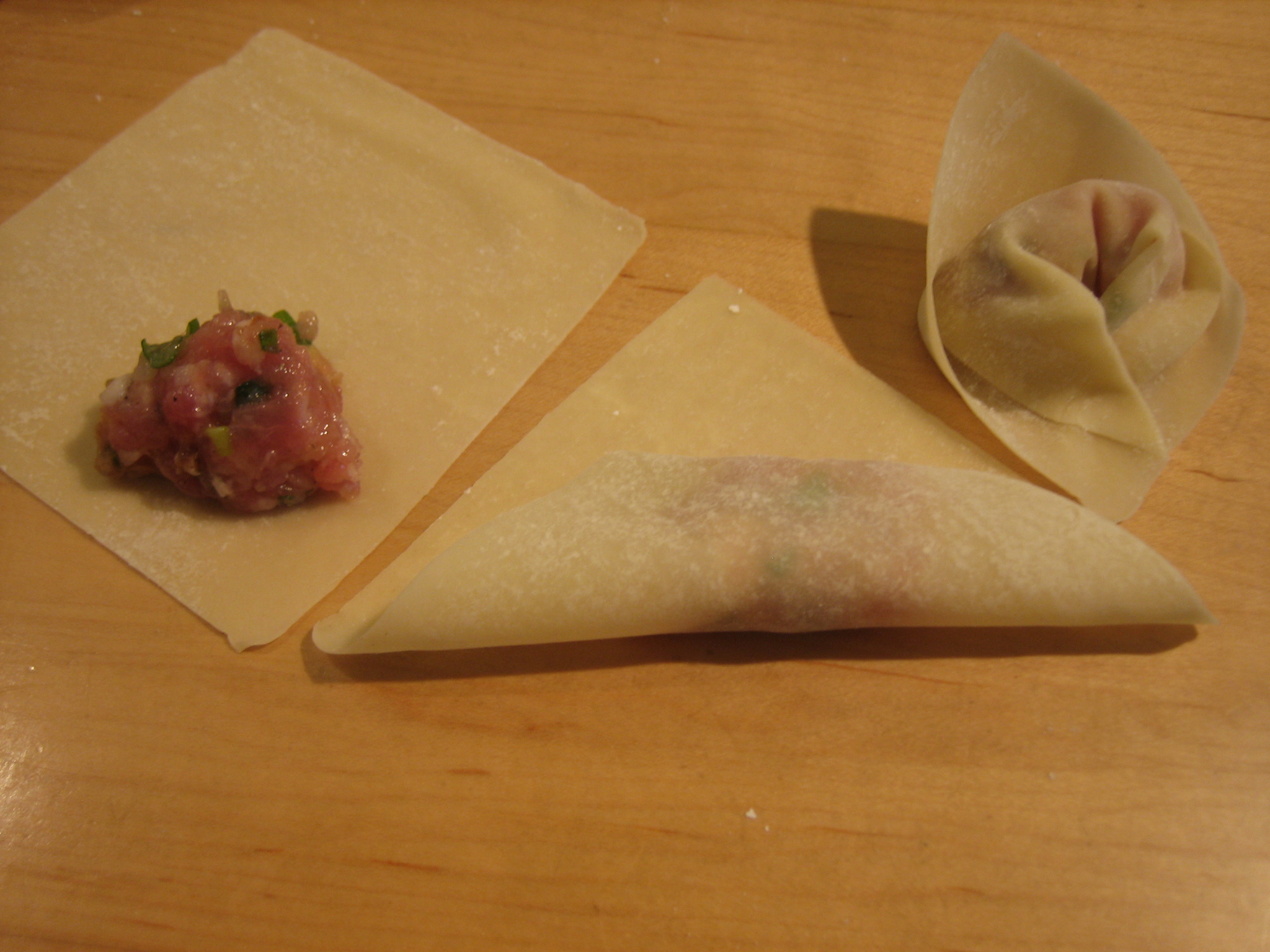
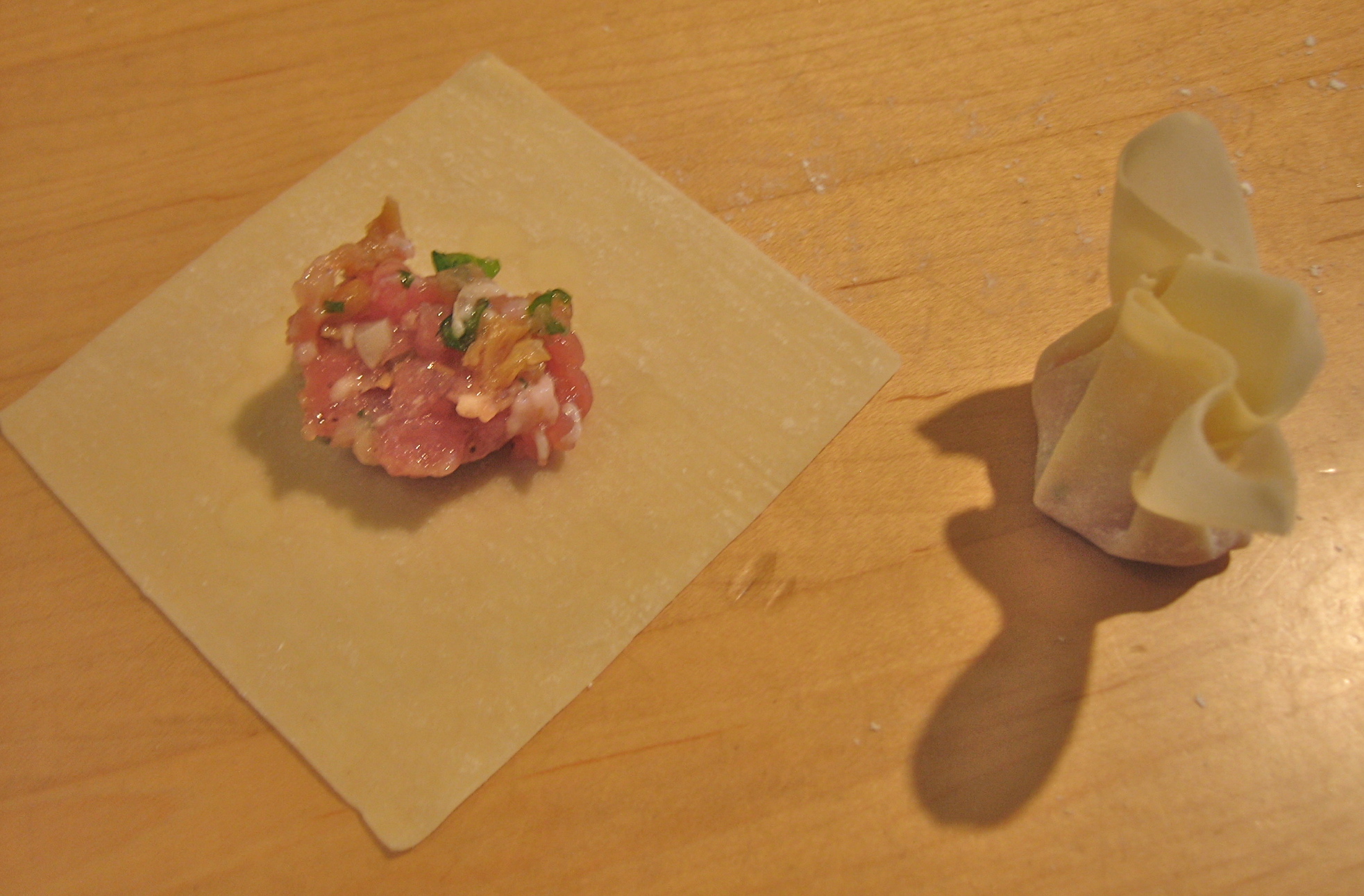
For wonton, wrap the filling in a square pasta-like wonton skin, available in supermarkets and Asian grocery stores. There are many ways to fill wonton. My three-year grand daughter proved that to be true as she created her own technique for filling them. When boiled, it doesn’t make much difference. When I wrote the recipe to make wontons, I tried to find the technique that would be the most easily understood without photos. Unfortunately, the publisher had no budget for photos but you can see them here.

Place filling in center of wonton skin. Fold skin over filling to make a triangle. Pull ends down and seal tips with a little beaten egg.

For fried or boiled wontons, try this method: Place a wonton skin on a flat surface with a corner facing you. Cover the remaining skins with plastic wrap to keep moist (this is important, if they dry out they will crack when folded). Mound 1 level teaspoon of the pork filling in the center of the wonton skin. Fold the bottom half of the skin over the filling to make a triangle. Moisten one side corner of the base of the triangle with a little beaten egg. Now this is where it gets tricky without visuals. Pull the side corners down below the filling and overlap; press to seal. They should sort of resemble a tortellini with a triangular flap. I wanted to say “resemble a nurse’s cap” but nurses no longer wear white starched caps with wing-like flaps.

Place filling in center of wonton skin. Gather wonton skin up and around filling. Squeeze gently so filling sticks to wrapper.

If this seems too complicated, you can simply drop the filling in the center of the wrapper. Bring the wonton skin up around the filling, gather the skin around the filling and gently press the moist meat to the wonton skin so it sticks. I think this method is better for boiled wonton, but they can be fried. They’re just not as pretty as the first method when fried.

The filled wonton can be placed on flour-dusted baking sheets. Cover them so they don’t dry out. When done filling the wonton, cook, refrigerate for up to 8 hours, or freeze. When solid, pack the frozen wonton in containers, ready to boil whenever you need a quick meal or snack.


A Hakka cooking party

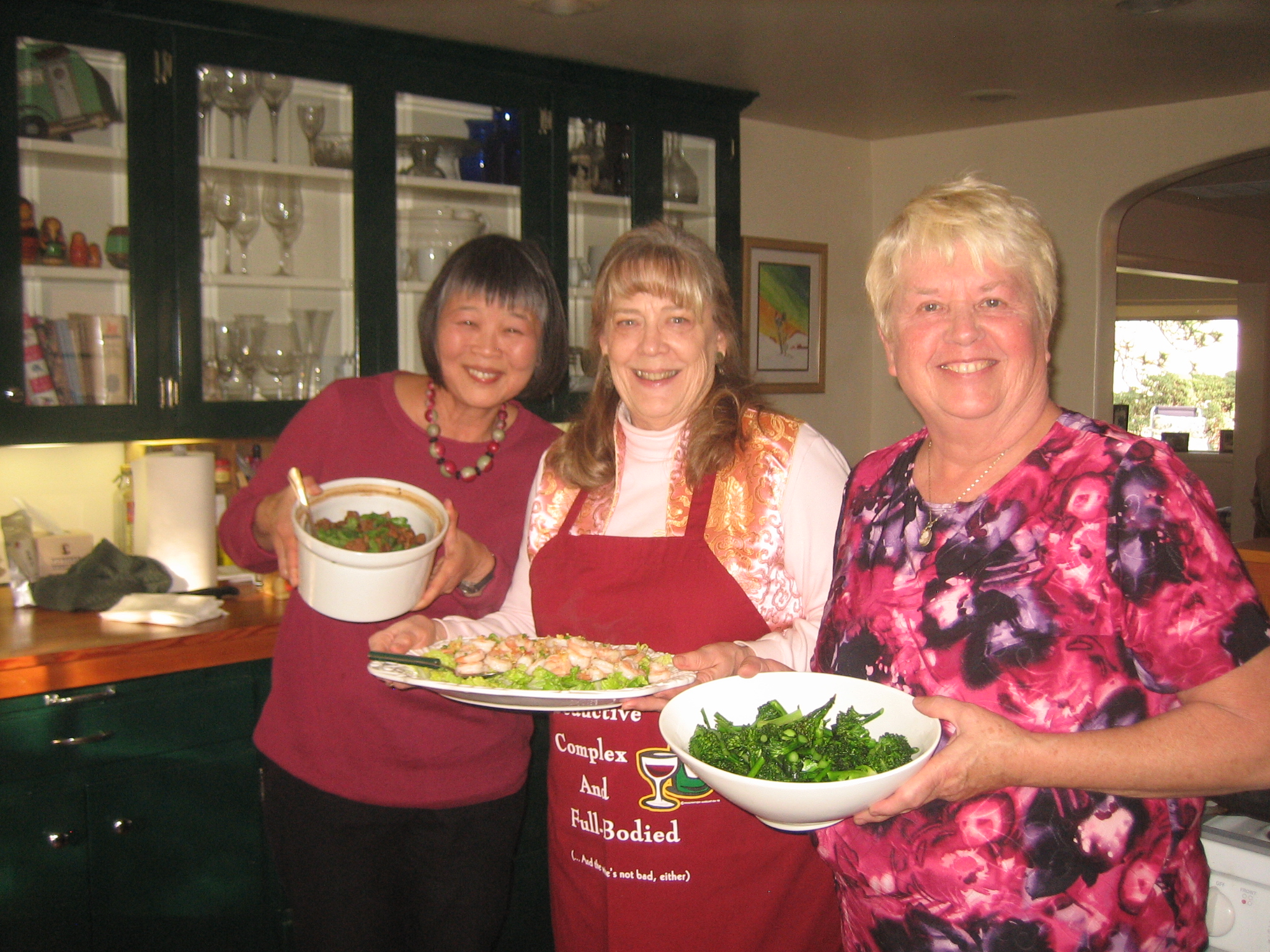
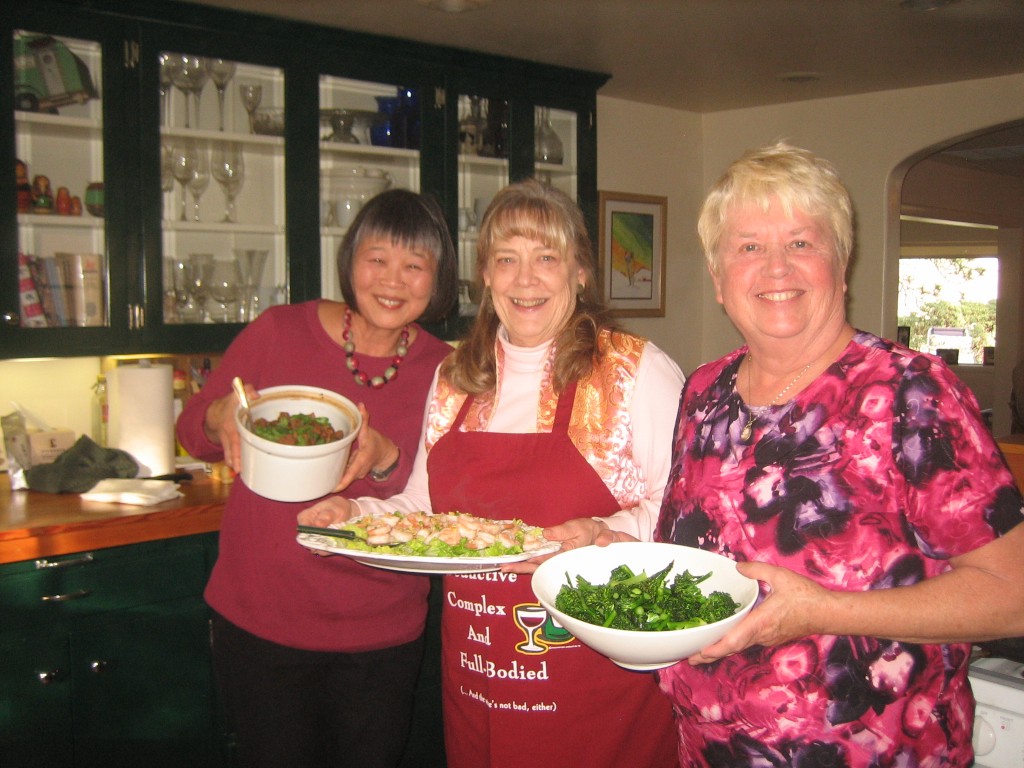
Linda, Nancy, and Ruby proudly display the dishes they cooked.

Gong Hee Fat Choy!  Happy New Year!  Chinese New Year is almost here. It arrives this Sunday, February 10. In the next couple of weeks family and friends will gather to share food and good wishes. In The Hakka Cookbook, you will find many recipes for specialties served for the New Year celebration.  Look under the Hakka Classics for recipes such as Salt-Baked Chicken or Steamed Pork Belly and Preserved Mustard Greens. But if you’re short of time or inexperienced in Chinese cooking, there are many other easy dishes you can cook for a festive meal. For me, the most important part of the celebration is getting together and reaffirming family unity and friendship.

Here are two suggestions for easy Chinese parties that anyone can manage. In the February 2013 issue of Sunset Magazine, look for Build your own bowl by Amy Machnak, pages 84 to 87. The easy noodle buffet party is based on recipes adapted from The Hakka Cookbook.

The second option is a cooking party. It started when a friend suggested we get together and cook from The Hakka Cookbook.  Last weekend, eleven of us gathered at Karen and John’s home in Paradise, California, where we cooked and ate a multicourse meal from the book. I designed the menu using seven easy recipes from the book.  I proposed instead of trying to cook all the dishes at one time, that we would cook and eat the dishes in several courses, as they were ready. Less stressful for the cooks. People could claim one recipe to make or we could take turns cooking. Karen volunteered to shop and prep most of the ingredients. I would bring ingredients she could not locate and a couple of woks for stir-frying.

You could easily duplicate this plan for your own party. This menu works well for six to eight people.  We increased the amounts for a few dishes for our larger group, or you could add more dishes. We cooked rice in a rice cooker, which kept the grain hot throughout our leisurely meal. There was plenty beer, wine, and tea to sip throughout the afternoon. The meal ended with tangerines, cookies, Chinese sesame candy, and candied coconut.

We gathered around noon. It soon became evident, only the women were interested in the cooking as the guys settled outside with beers. Didn’t matter, we gals had a great time reminiscing about old times (we’re known each other since kindergarten) as we cooked our way through the menu.

The Hakka Cooking Party
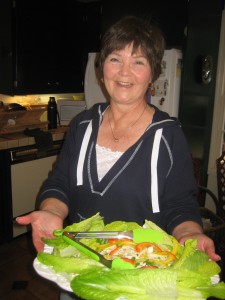
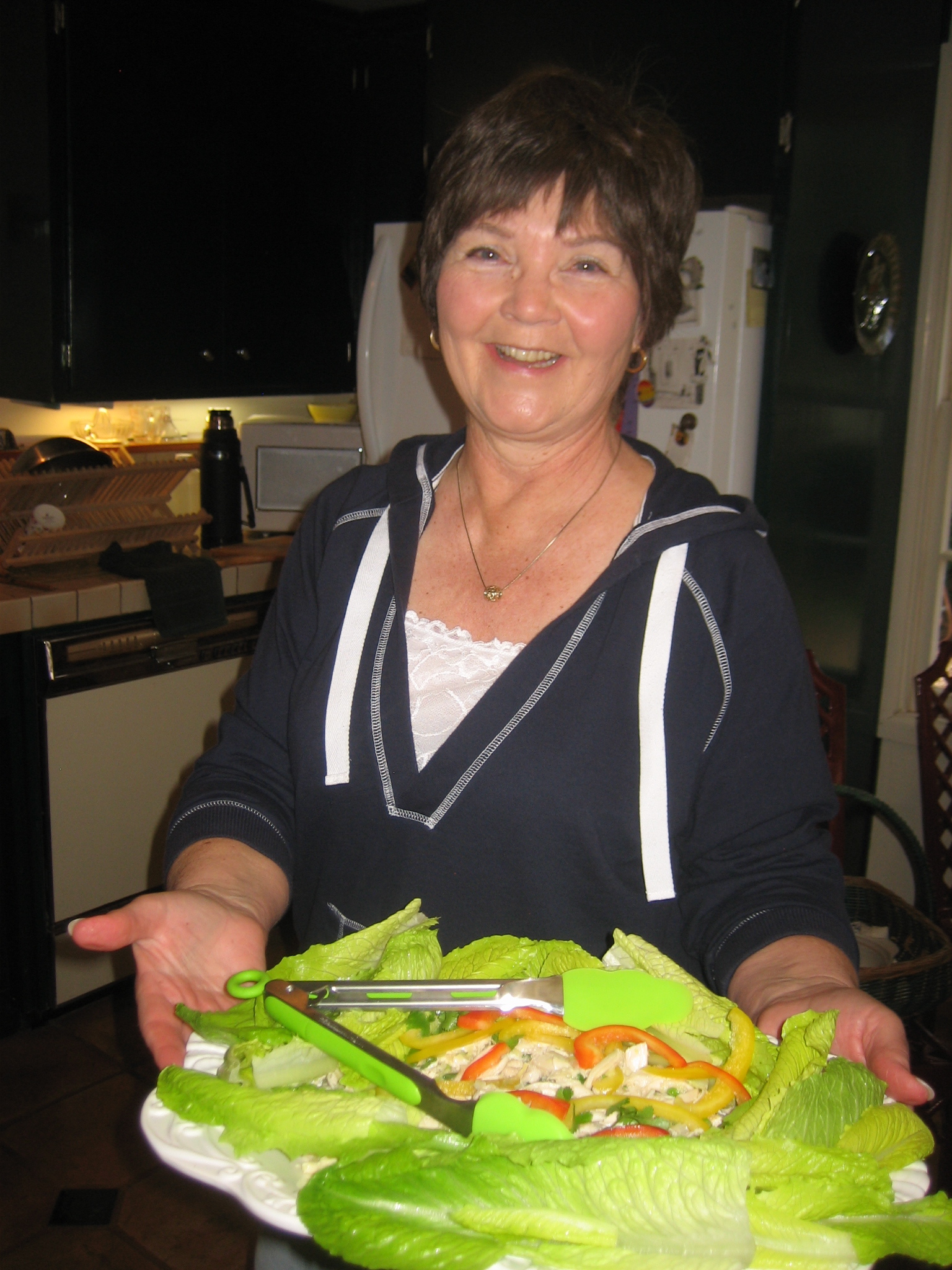
Melanee serves steeped chicken to wrap in lettuce leaves.

First course: Steeped Chicken (p. 22) with Fresh Green Onion-Ginger Sauce (p. 66).  Or use this adapted recipe at specialfork.com  Melanee claimed this dish. The chicken and sauce could be up to a day made ahead and brought to the party, ready to eat on demand. She served the moist shredded chicken with lettuce leaves, as a pick-up appetizer.

Second courses: Cumin Beef  (p. 183)  We had extra beef so we doubled the recipe. However, because it is important not to overload the wok when stir-frying thin meat slices, I cooked the beef in three batches (6 to 8 oz. each) so the slices would brown, rather than stew in its juices. After the initial stir-frying, I returned all the cooked beef to the pan with all the seasonings for a final blending of ingredients.

Stir-fried Snow Peas and Tofu (p. 48).  This mild flavored vegetarian stir-fry offers a contrast to the spicy cumin beef. It’s a study of contrasting textures with crisp peas, spongy tofu, and crunchy black fungus.

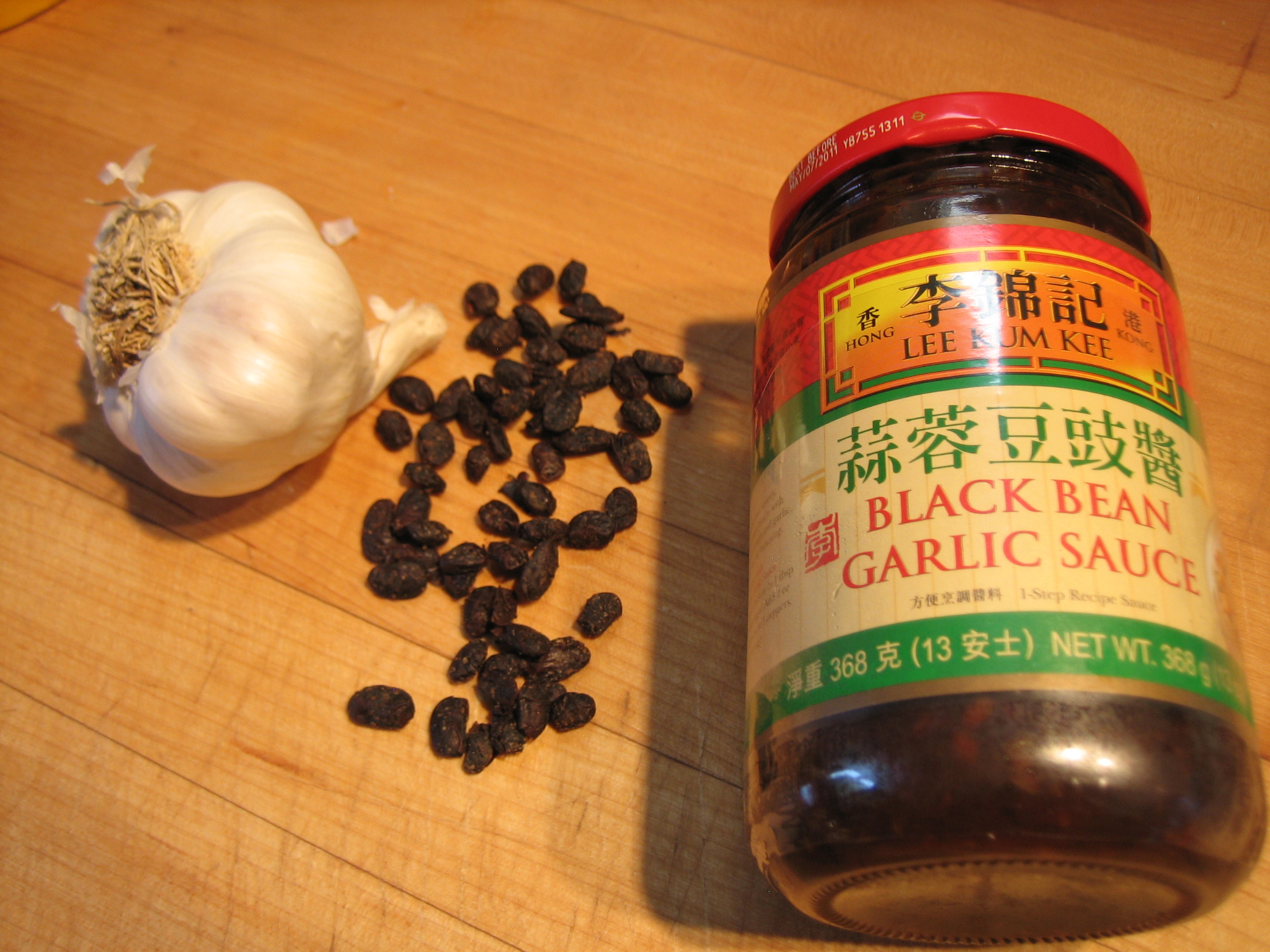
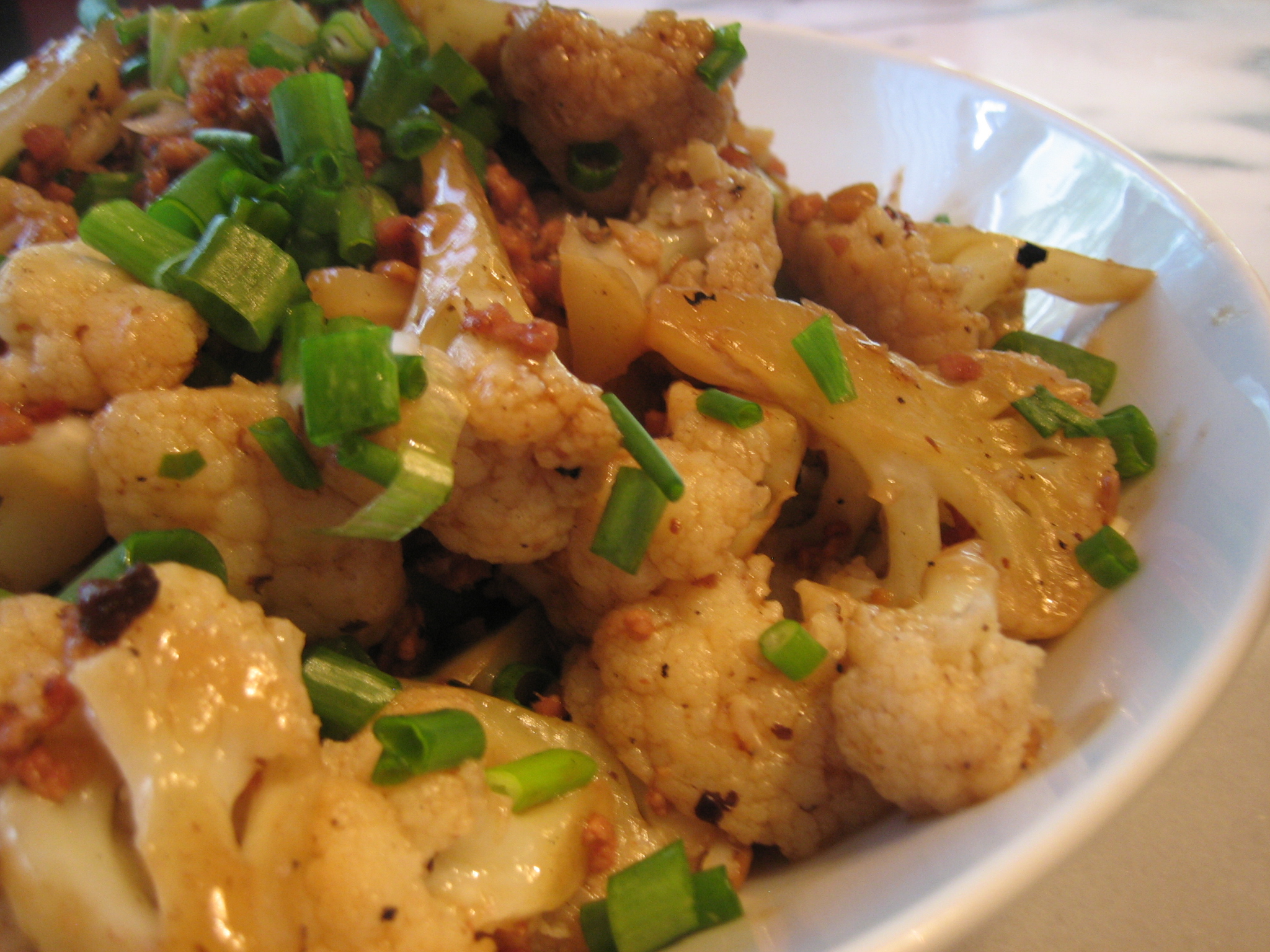
Third course: Cauliflower and Beef in Black Bean Sauce (p. 27) Phyllis took a turn at the wok and stir-fried this easy meat and vegetable dish. Ruby said she was surprised she liked it because she usually doesn’t like cauliflower. The black bean sauce really adds flavor to this rather bland vegetable.
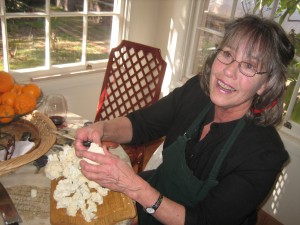
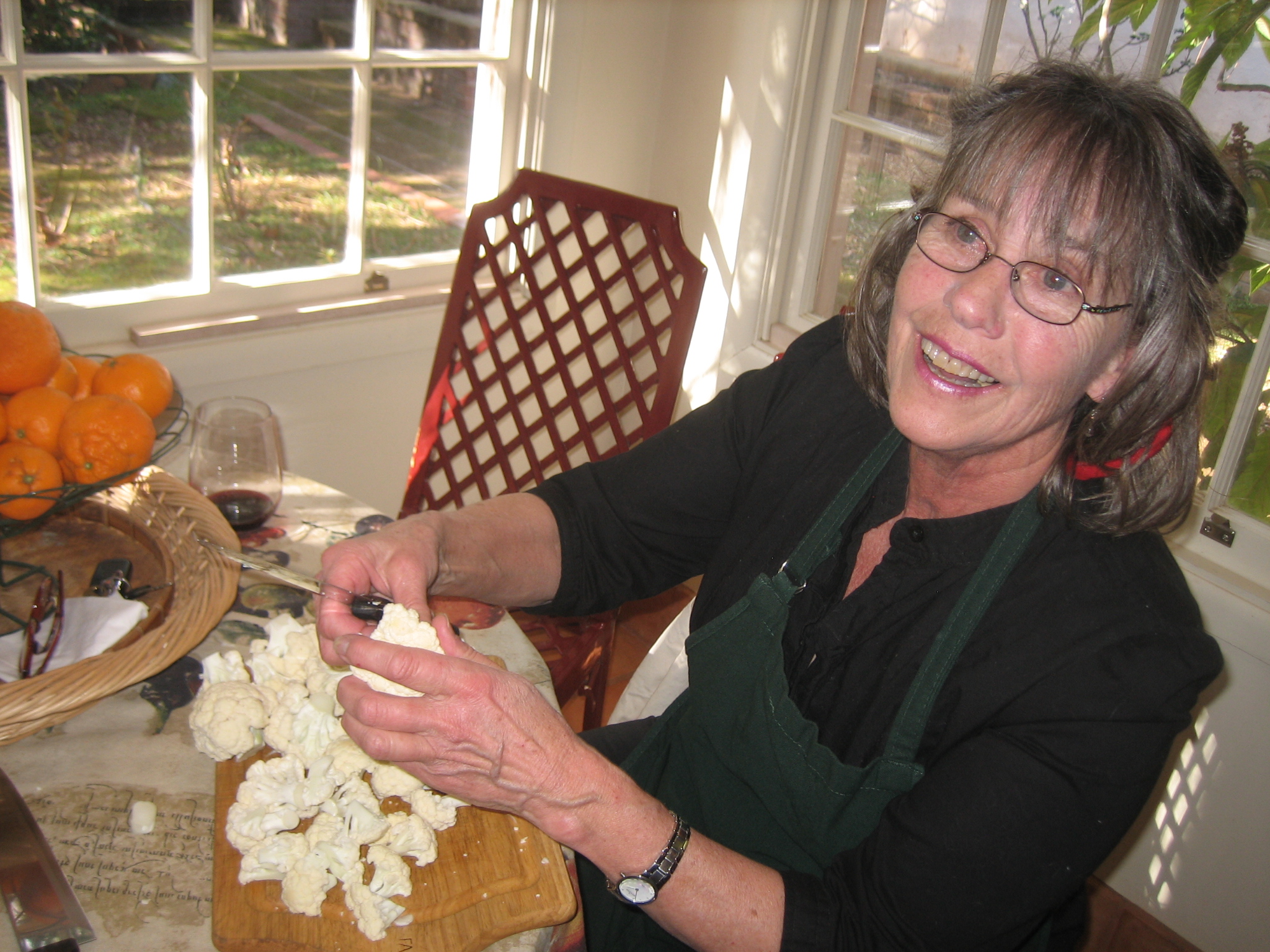
Karen cuts cauliflower for stir-fry.

Fourth courses: Braised Pork Spareribs in Bean Sauce (p. 203). Since the ribs took longer to cook than most of the other dishes, I cooked them the night before and brought them ready to reheat. I increased the recipe by half since it was just as easy to make more. The savory sauce was delicious over rice.

Chinese Broccoli and Sweet Rice Wine (p. 230). This simple vegetable dish takes only minutes to cook. Ruby learned to cut the vegetables so all pieces are the same size.

Shrimp with Fried Garlic and Chiles (p. 78). Nancy fried bits of garlic and spicy chiles to top stir-fried shrimp.

We ate from noon to five, cooking, eating, and drinking. I directed the cooking and gave hands-on lessons on stir-frying, woks, and ingredients. We found when there’s a lot of cooks, it’s best to have all ingredients prepped ahead of time. Then cooking moves quickly without too much concentration. Everyone agreed they learned a lot, ate well, and would do it again.

To design your own cooking party, follow this easy plan. Have each person or couple be responsible for one dish. The dish could be completely made ahead ( if it works for that dish), or prepped for cooking on site. You can use this menu or design your own based on your own tastes. People take turns cooking and serving their dish. It is sort of like a cooperative home-style Chinese banquet.  Enjoy and have fun!  Gong hee fat choy!


Save your culinary history

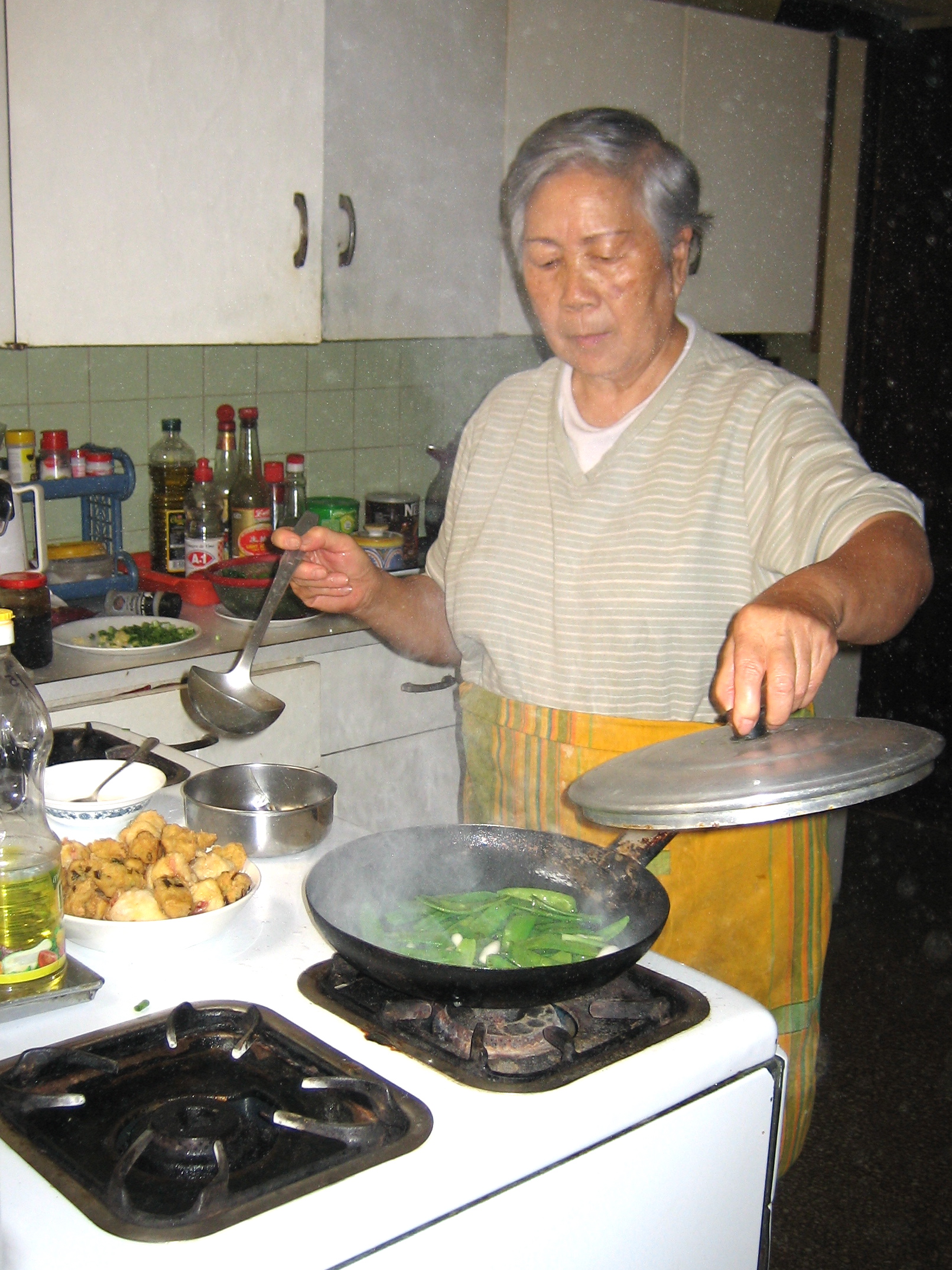
Natalie Com Liu cooks her Hakka dishes in her kitchen in Lima, Peru as I record her recipes.

Zester Daily invited me to write a piece for Soapbox.  I struggled over the subject and wrote several different drafts. Eventually I settled on “recording your culinary history.” I was inspired by a blog post written by Pat Tanumihardja for The Asian Grandmothers Cookbook a few months ago.

A few days after I filed the post, I learned about the unexpected death of one of my Hakka contacts in Toronto. That reminded me of another contributor, a young chef from Beijing who had also passed away a few years ago. Life passes quickly. I’m so glad I was able to record part of their history while they were still here.

If you always wanted to know how your grandmother, father, or great-aunt cooks their special dish, ask them now. With Chinese New Years coming up soon, it’s the perfect opportunity to capture some of those special dishes. Spend some time with them. Watch them cook, take notes, shoot photos or a video, and taste their food. Record their stories and history. They will be flattered and you will be able to pass on their culinary legacy. Pretty soon, you will be writing your own family cookbook.

A lesson in soy sauce

Power to women! A few days ago, I gave a master class on Hakka Cuisine at the WCR (Women Chefs and Restauranteurs) National Conference in San Francisco.  This group of professional women in the restaurant business celebrated their 20th anniversary. It was an honor to meet such smart, strong, and supportive women. They reminded me of Hakka women, known for their hard-working characteristics and strength.

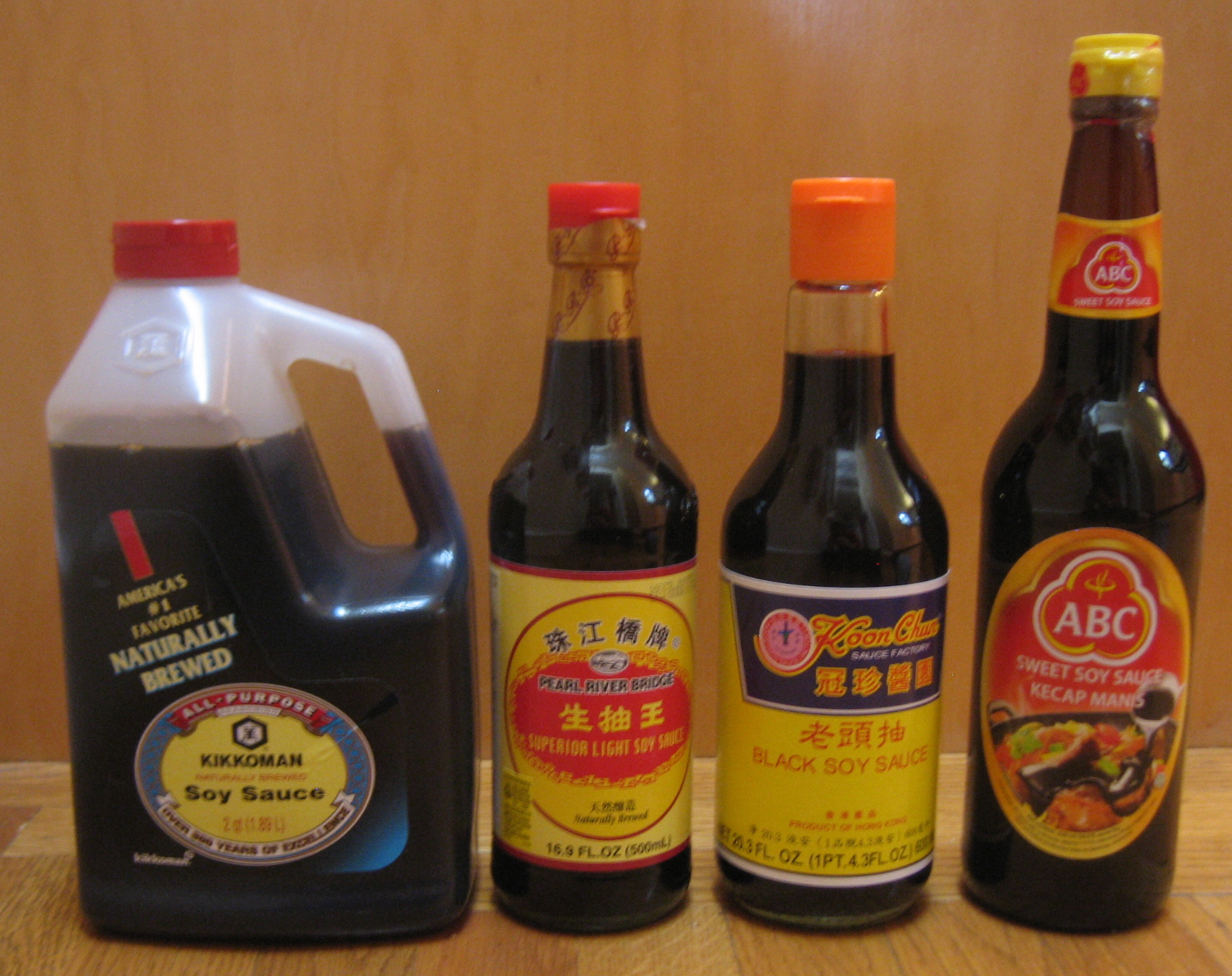
In my class, I provided a short tasting on different types of soy sauce, a primary ingredient in Hakka dishes. I thought I would share this information with you. Soy sauce is a seasoning liquid brewed from naturally fermented soy beans and wheat. It gives a deep flavor and rich color. The basic types are:

Soy sauce types: all-purpose soy sauce: Kikkoman or Pearl River Bridge Light Superior Soy Sauce; Koon Chun Black Soy Sauce; ABC Sweet Soy Sauce (kecap manis)

1. All-purpose soy sauce.  I simply call it soy sauce in the book. The Japanese soy sauce, such as Kikkoman has a higher percentage of wheat which mellows the sauce. Chinese soy sauce, such as Pearl River Bridge Light Superior Soy Sauce, contains a higher percentage of soy beans which produces a stronger flavor.  In Asia, this type may also be called light (not referring to sodium), white, or thin soy sauce.

2. Dark or black soy sauce. This soy sauce ages longer and is blended with a little molasses which lends a slight caramelized sweet finish. It is darker and has a stronger flavor which enhances the color of stews and braises. For a quick substitute, use 2 parts all-purpose soy sauce and 1 part molasses.

3. Sweet soy sauce. Often used in Southeast Asia. This dark, thick, syrupy sweet soy sauce is blended with palm syrup. The Indonesian version is called kecap manis. The Hakkas in India make a similar sauce and call it red sauce. They boil soy sauce, sugar, and fragrant seasonings such as ginger, lemon grass, tangerine peel, star anise, and cinnamon until the sauce is thick and glossy (recipe on page 269). Add the dark, intense, sweet sauce to noodles, stews, meats, and stir-fries, or use as a dipping sauce. For an quick alternative for cooking, mix equal parts dark (preferable) or all-purpose soy sauce and packed brown sugar.


Hakka pickles, bred from frugality

Frugality is instilled in most Hakkas. It’s a characteristic that likely helped them to survive when they lived in poor isolated areas. They learned to be resourceful with what they had. It’s a trait I have. I find it difficult to throw anything out if there is another good use for it.

After making more than ten batches of Pickled Mustard Greens for a tasting for a 180 guests in December, I was left with lots of sweet-sour pickling solution. Instead of pouring it down the sink, I kept the sugar/vinegar solution in clean yogurt containers (I recycle those, too) in the refrigerator. I had some leftover cabbage, the common round green cabbage. I decided to pickle it. I blanched bite-sized pieces briefly in boiling water, just like the broad-stemmed mustard greens, rinsed it with cold water and immersed it in the sugar-vinegar solution, and placed it in the refrigerator. After a few days, the cabbage was crunchy and sweet-sour. It lacks the pungency of the mustard greens, but still is a delightful pickle although the color is a bit pale. With red cabbage, the color is deep purple and the liquid turns pink.

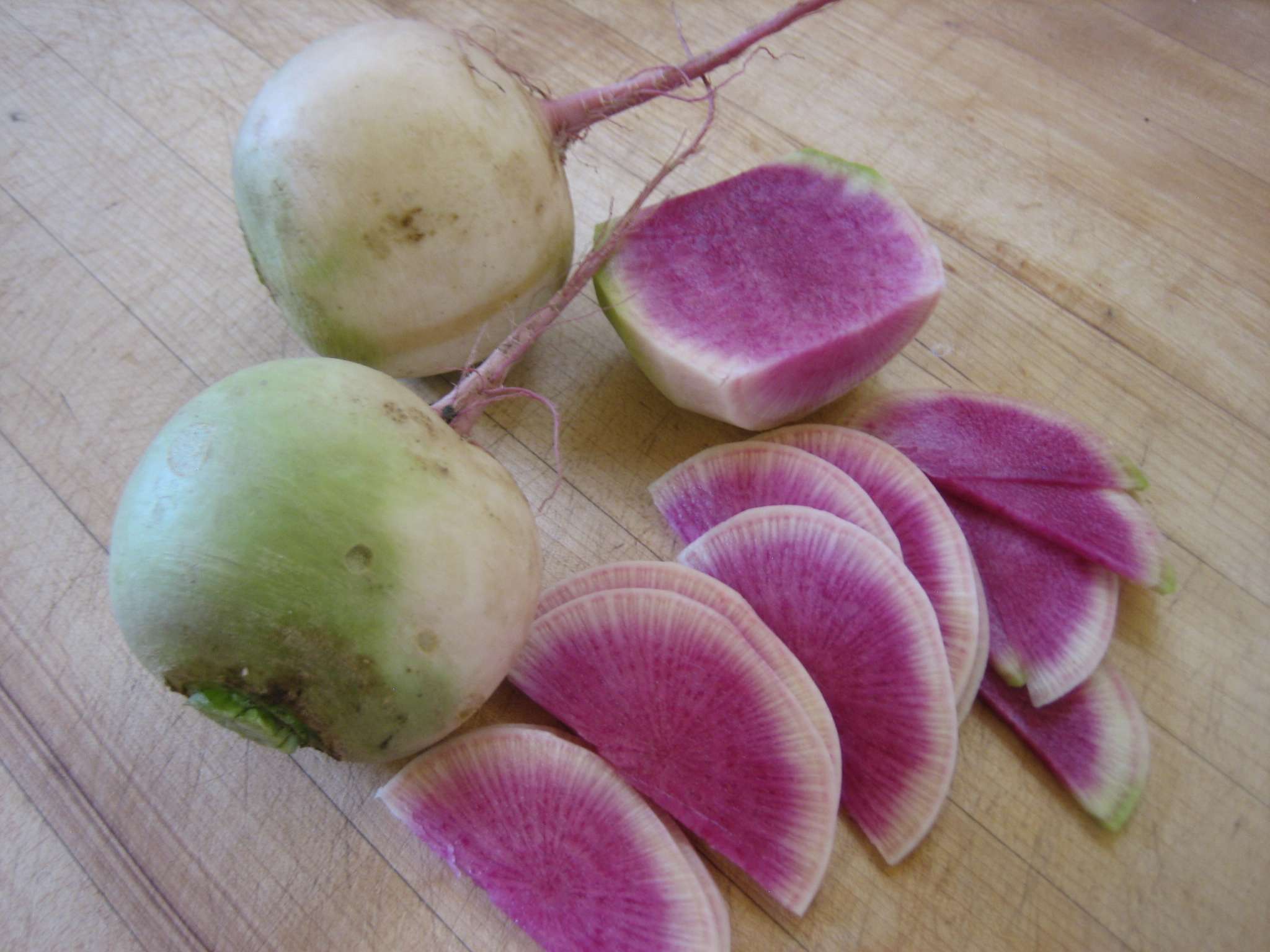
Cut watermelon radish into thin slices and drop into vinegar-sugar mixture to make easy sweet-sour pickles.

I have also pickled other vegetables. My latest find at the farmers’ market was watermelon radishes. These large green-tinged white radishes don’t look like much on the outside, but cut it open to reveal the red interior that resembles watermelon. Peel, cut in half lengthwise, then thinly slice and immerse in the pickling solution, and refrigerate for a few days. No need to blanch first. The liquid will turn pink.

Treat jicama the same way, except I cut the jicama into sticks. Do the same thing with cucumbers, except I use the cucumbers unpeeled. With vegetables with a high moisture content such as these, blanching isn’t necessary. Once the pickling solution tastes watery, discolors, or gets cloudy, I’ll dump it. Probably can reuse it once or twice. So far, I’ve reaped a bumper crop of new pickles just by being frugal.


Mustard greens are in

Last week, I gave a presentation at the ACCT dinner in San Francisco. They wanted a small taste of a recipe from the book. When I heard 180 people were attending, I turned to one of the easiest recipes in the book, Pickled Mustard Greens (p. 147). I have used this recipe often for book signing events, because it can be made ahead, served cold, and provide a small taste to great many people.

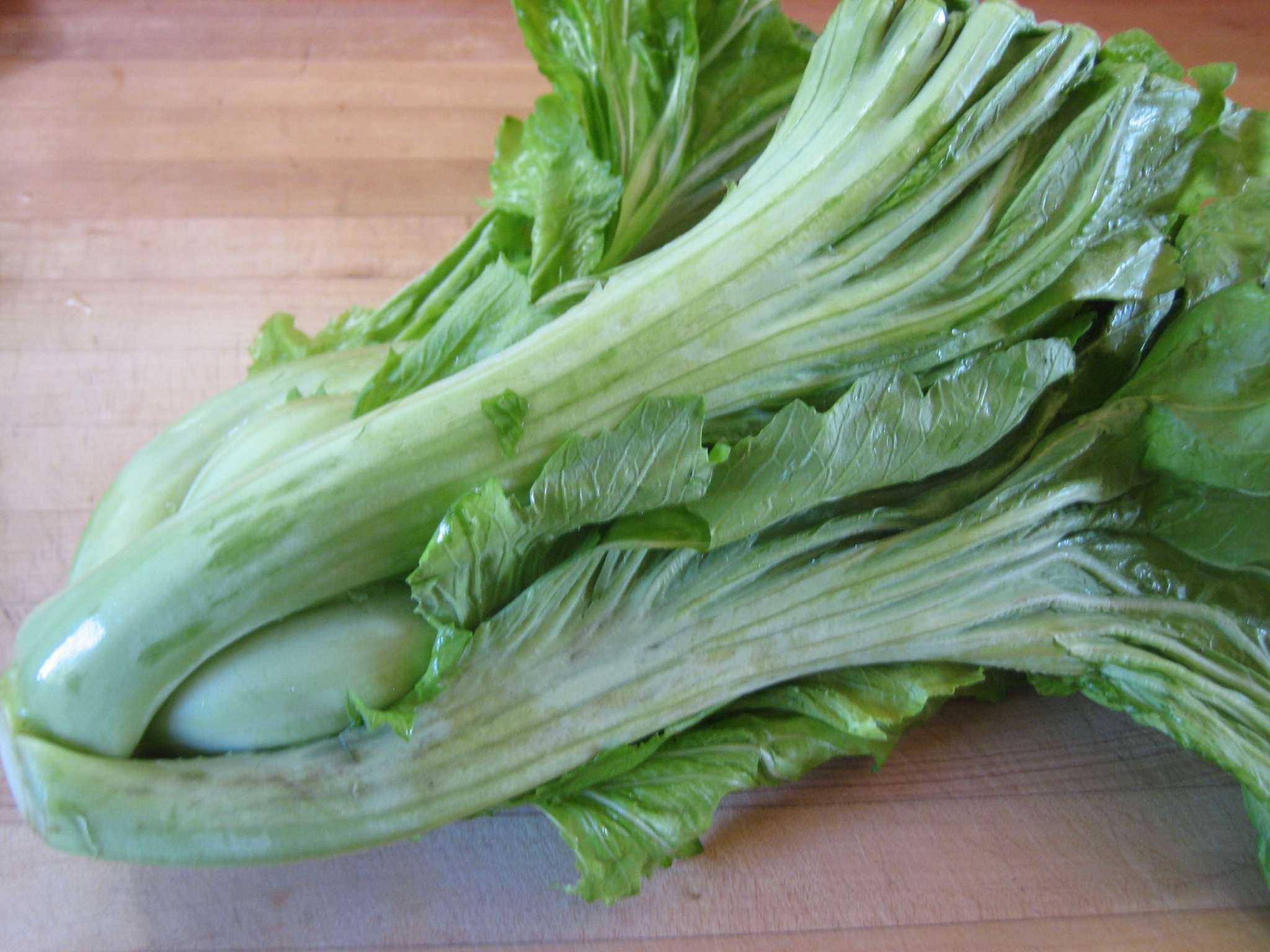
Use broad-stemmed mustard greens for pickles.

The key to the recipe are the mustard greens. The ones used for pickles have big broad leaves and thick wide stems are generally most available in cool weather months. Sometimes they are called dai gai choy. Since they are sold mostly for pickles, sometimes the leaves are trimmed off. The heads and stems may be straight, but are often curved into a semiclosed heart.

Just a week before the dinner, I was surprised to find these greens at the San Mateo Farmers Market where I shop every Saturday. The Hmong farmer was so pleased that I bought six big heads, that she brought them again the following week. She said that although she grows them, she didn’t usually bring them to this market because she didn’t think people would buy them. She also pickles them to eat at home. If you can’t find them at the farmers’ market, most Asian markets carry them in the winter.

This recipe comes from Hawaii resident Margaret Lai who grew up in Tahiti where the Hakka made up the majority of the Chinese population. Her easy pickles have a strong sweet-sour punch and are far crisper than purchased pickles.

Pickled Mustard Greens

Makes 3 to 4 cups

3/4 to 1 1/4 pounds broad-stemmed Chinese mustard greens

2/3 cup rice vinegar or distilled white vinegar

2/3 cup sugar

1/2 teaspoon sea salt or table salt

1. Pull apart the mustard greens and separate the stems. Cut the stems and thicker part of the leaves into 1-inch pieces to make 4 to 5 cups. Wash and drain the greens. Reserve leaves for soup or other stir-fries.

2. In a 3- to 4-quart pan over high heat, bring about 1 1/2 quarts water to a boil. Add the mustard greens to the boiling water. Stir to separate. Drain and rinse with cold water to cool.

3. In a bowl, mix the vinegar, sugar, and salt until the sugar dissolves. Stir in the mustard greens. Cover the bowl and let stand at room temperature overnight. Transfer the mixture to a smaller container. Cover and chill until the pickles are yellowish-green and sweet and tangy, 2 to 3 days. Store in refrigerator up to 2 to 3 months.


Quick Thanksgiving vegetables, Hakka-style

It’s almost Thanksgiving. Wondering about a quick and fresh tasting vegetable to serve.  Try Ginger-Scented Squash, Peas, and Lily Bulbs (p. 52 in The Hakka Cookbook). I tasted this colorful combination of orange squash and green peas in Meizhou, China, where most people are Hakka.

The vegetables were cooked with while lily bulbs, think of flower bulbs you plant. They resembled large garlic cloves or small onions and tasted mildly sweet with a slight starchy texture and a bit of crunch.  Back home, I found fresh lily bulbs vacuum-packed in the Asian supermarket.  I also tried dried ones, but they fell apart and were quite starchy. Can’t find lily bulbs? Leave them out, or substitute shallots.

If you find it hard to cut winter squash, try this trick. Use a large knife, such as a cleaver or chef’s knife and position the blade where you want to cut the squash. Then use a flat mallet or hammer and gently tap the back of the knife through the hard flesh.  With this method, you have more control and less chance of cut fingers.

Pan steam the squash and pea pods with a little ginger; it cooks in minutes. Happy eating!

The Hakka Cookbook tours the Northwest

I’ve been traveling through the Northwest, sharing the story of The Hakka Cookbook. I’ve met many new people including a Hakka pharmacist  in Vancouver BC, originally from South Africa to a young woman in Seattle originally from Taiwan.

I’ve learned some tricks to a successful book signings. Invite all your friends and ask them to bring their friends to ensure you have a decent-sized audience. List your event in as many newspaper and blog calendars as possible. Here’s a short summary of The Hakka Cookbook events.

Portland, Oregon

Speaking in the Scholar’s Study at Lan Su Garden. Photo by Emily Park.

I was honored to present The Hakka Cookbook to a group in the elegant, classically designed Scholar’s Study at Portland’s Lan Su Chinese Garden. A opulent display of pink mums decorated the room. The garden, considered the most authentic Chinese garden outside of China, was assembled by craftsman from China. It’s a beautiful gem located in Portland’s Chinatown. In the audience, I met some old friends.

Seattle, Washington

Alan Lau, my brother and artist for the book, joined me in all my Seattle events. In a bright room, lined with cookbooks, a crowd of about twenty-five gathered at the Book Larder.  Alan, also a poet, began with a dramatic reading of poems. Rachel Coyle, event coordinator, served chunks of Soy-Braised Chicken and Mushrooms (p. 204).

Alan Lau reads poems from Blues and Greens, a Produce Worker’s Journal. Photo by Barry Wong

Francine Seders Gallery, which represents my brother’s art, hosted a book signing and show of Alan’s paintings from our trip to China. Francine cooked Soy-glazed Chicken Morsels (p.199), Pickled Mustard Greens and Cucumbers (p.147) and Pickled Carrots and Radishes (page 60) for guests to sample.

Elliott Bay Book Company, in the Capitol Hill area, is a large spacious store with a varied selection of books. Definitely, it’s a book lovers retreat.  Here we were pleasantly surprised by seeing a staff recommendation posted for The Hakka Cookbook.  We sold twenty books that night.

Signing books at Elliott Bay Book Company. Photo by Therdphong Anusasananan

Wing Luke Museum in the International district showcases the history of Asians in the area.

I recommend the guided tour. A young informative guide took us to an original store stocked with foods and ingredients that reminded me of my youth. I saw pouches of bitter black tea, that Popo brewed with water, ginger, and green onions when we came down with a cold. Shelves were lined with big glass jars filled with dried or preserved snacks such dried salted plums and candied ginger. We also toured the meeting room of a Chinese association. Later, we gave our book presentation with slides in the small theater. In spite of the rain, friends came to our presentation and bought more books.

Vancouver, BC, Canada

Barbara-Jo’s Books to Cooks hosted me in her warm cozy store. All seats were filled around the kitchen counter as we discussed the book and snacked on Soy-Glazed Chicken Morsels (p. 199) cooked by Mark.